
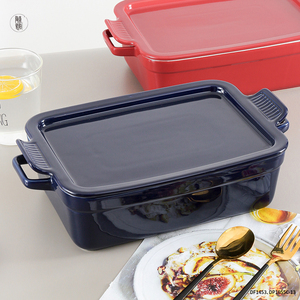
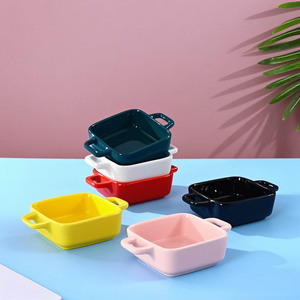
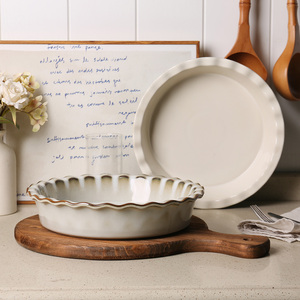
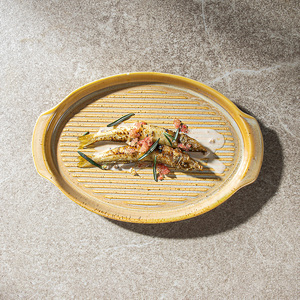
1. Strategic Overview of the Spanish Ceramic Canister & Kitchenware Market
The consumer preference landscape across Spain—spanning metropolitan epicenters like Madrid and Barcelona to regional commercial hubs in Andalusia, Valencia, and the Basque Country—is experiencing a structural migration away from single-use plastics and lightweight melamine toward high-fired ceramic storage solutions. Spanish houseware buyers, commercial food packers, and hospitality procurement directors are actively demanding non-porous ceramic canisters that seamlessly combine traditional Mediterranean aesthetic heritage with advanced technical food safety standards.
For B2B importers and retail brands operating within Spain, establishing a robust direct-factory manufacturing relationship is vital. Modern Spanish consumers view kitchen storage containers not merely as utilitarian pantry holders, but as visual focal points for the home. Ceramic canisters with airtight natural wooden or ceramic lids provide the optimal barrier against humidity—a critical performance factor in coastal Mediterranean climates like Valencia, Alicante, and Malaga—while offering pristine surface hygiene for preserving dry coffee, spices, sea salt, flour, and cured specialty items.
Key Market Insight: Tariff Advantages & Sourcing Optimization
Sourcing direct from established Southeast Asian manufacturers such as ARTWAY (Thailand) grants Spanish importers a distinct tariff advantage. By avoiding the heavy EU anti-dumping duties levied against Chinese ceramic exports (which can reach upwards of 36.1%), procurement teams can maintain gross profit margins exceeding 45% while adhering strictly to European Regulation (EC) No 1935/2004 for food contact materials.
2. Technical Performance: Vitreous Stoneware vs. Conventional Ceramics
When sourcing ceramic storage jars, canisters, and dual-purpose bakeware for wholesale distribution in Spain, understanding material density and firing kinetics is crucial. Low-fired earthenware canisters, often produced by budget manufacturers, suffer from high porosity (>3% water absorption), making them susceptible to moisture absorption, mold proliferation, glaze crazing, and structural cracking under thermal variance.
In contrast, ARTWAY’s OEM production lines utilize refined kaolin-rich stoneware bodies fired in automated tunnel kilns at temperatures ranging between 1250°C and 1280°C. This process achieves complete vitrification, reducing water absorption to under 0.5%. The resulting ceramic canister body is mechanically dense, thermal shock resistant (ΔT 180°C), and impenetrable to food odors and micro-contaminants.
| Technical Parameter | Earthenware Canisters (Budget) | ARTWAY Vitreous Stoneware | Impact on Spanish Retailers |
|---|---|---|---|
| Firing Temperature | 1000°C – 1100°C | 1250°C – 1280°C | Higher structural strength, zero thermal cracking |
| Water Absorption Rate | 3.0% – 8.0% (Porous) | <0.5% (Vitreous) | Prevents moisture intake; crucial for coastal Spain |
| Glaze Abrasion Resistance | Low (Prone to scratching) | High (Mohs Hardness 6-7) | Dishwasher durability & long store shelf life |
| Food Contact Compliance | Variable / High Risk | Strict EU Lead/Cadmium Free | Guaranteed smooth customs clearance (UNE-EN 1388) |
| Airtight Gasket Seal | Low-grade PVC or Synthetic | Food-Grade Silicone Gasket | Preserves aromatics for gourmet spice & coffee brands |
3. Localized Application Scenarios Across Spain's Commercial Sectors
To maximize product turnover, wholesale buyers must align ceramic storage jar designs with specific localized application scenarios across Spain's unique commercial sectors:
Gourmet Spice & Olive Oil Packaging
Producers in Jaén, Seville, and Toledo utilize custom ceramic canisters with tight silicone seals to protect extra virgin olive oil (EVOO) and saffron from light oxidation and ambient humidity.
Artisanal Coffee & Tea Roasters
Specialty coffee shops in Barcelona and Madrid leverage private-label matte-black and reactive-glazed ceramic storage jars to sell premium beans directly to consumers, elevating brand prestige.
Hospitality & Tapas Buffet Presentation
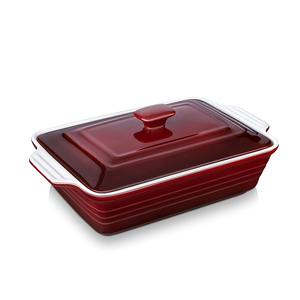
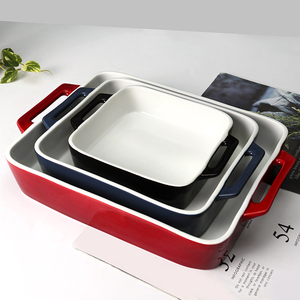
Hotels along Costa del Sol and the Balearic Islands deploy dual-purpose ceramic vessels that transition effortlessly from back-of-house ingredient storage to front-of-house tapas buffets.
4. Key Sourcing & Design Trends in the Spanish Market (2025–2030)
Our ongoing collaboration with European product managers and retail buyers highlights three major aesthetic and functional trends currently dominating Spanish houseware sales:
1. Organic Earth Tones & Reactive Glazes: Modern Spanish homes are embracing terracotta hues, warm olive greens, sandy taupes, and speckled matte finishes. Reactive glazing techniques—where mineral oxides interact dynamically inside the kiln—render every canister unique while maintaining uniform dimensional tolerances.
2. Sustainable Zero-Waste Integration: With Spain’s national push toward eco-conscious living and bulk buying (tiendas a granel), ceramic storage sets featuring chalkboard labels, relief engravings, or stamped ceramic tags are seeing rapid sales growth in department store chains like El Corte Inglés and specialized home stores.
3. Modular & Stackable Ergonomics: Compact urban living spaces in Barcelona and Madrid require efficient vertical space utilization. Interlocking ceramic canister bases and recessed wooden lid designs allow stable stacking inside kitchen cabinetry, optimizing storage footprints without compromising aesthetics.
5. Enterprise Manufacturing Excellence & Direct Factory OEM Advantages
Founded in 1993, ARTWAY Company Limited operates a state-of-the-art 10,000-square-meter manufacturing facility in Samut Sakhon, Thailand, employing over 200 skilled ceramic artisans and technicians. Producing more than 5,000,000 pieces annually, our factory delivers complete OEM/ODM solutions tailored for global importers.
By owning our plaster mold workshop, automated slip-casting machines, hydraulic jiggering lines, and glaze testing laboratory, we ensure total operational transparency. We assist Spanish brand managers through every stage of development: from initial 3D CAD modeling and prototype sampling (completed in 15–25 working days) to mass firing, custom logo backstamping, and drop-test packaging.
Comprehensive Quality Assurance (AQL 2.5 / 4.0 Standard)
Every production batch destined for the European Union undergoes stringent Quality Control inspections. We verify rim planarity, lid seal pressure tightness, color consistency across master batches, thermal shock tolerance, and impact resistance before goods are packed into reinforced master cartons for container loading.