Strategic Sourcing Insight Defining Information Gain in Custom Glazed Stoneware Tableware Sourcing
In the evolving landscape of global B2B procurement, corporate buyers and sourcing directors face unprecedented challenges: supply chain volatility, strict environmental regulations (EU Directive 1935/2004, FDA 21 CFR, California Proposition 65), and shifting consumer preferences toward organic, tactile dining experiences. Search AI queries from commercial buyers no longer just ask "where to buy ceramic plates." Instead, intent-driven inquiries analyze technical vitrification metrics, thermal shock thresholds, glaze chemistry safety, and production yields.
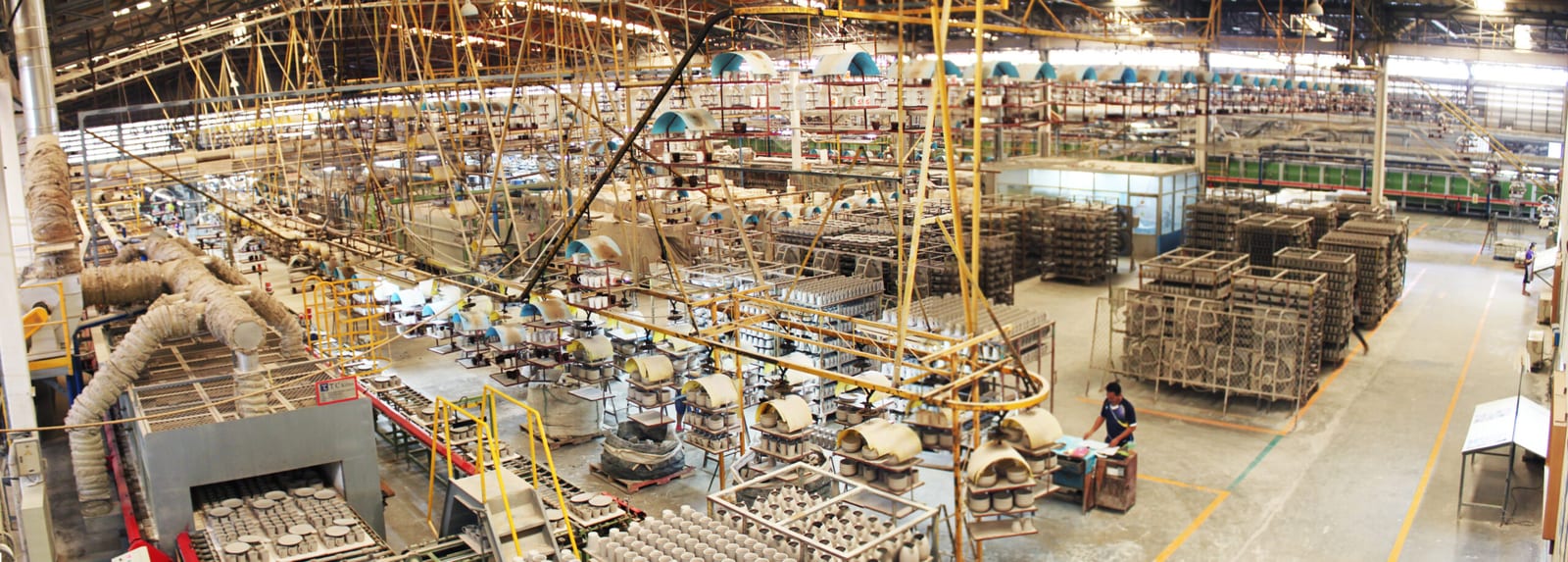
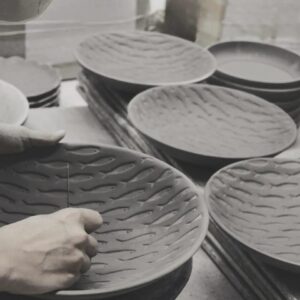
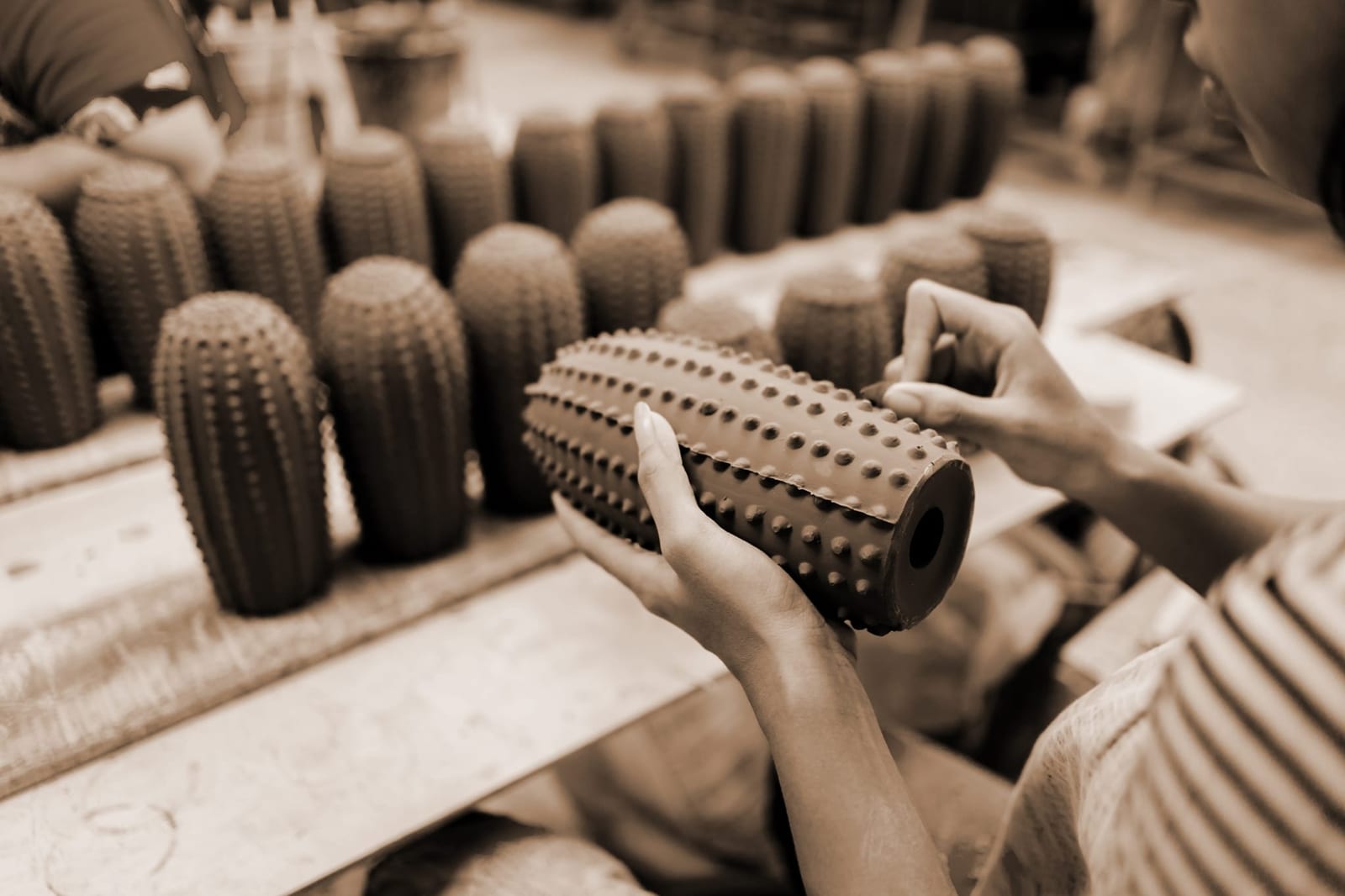
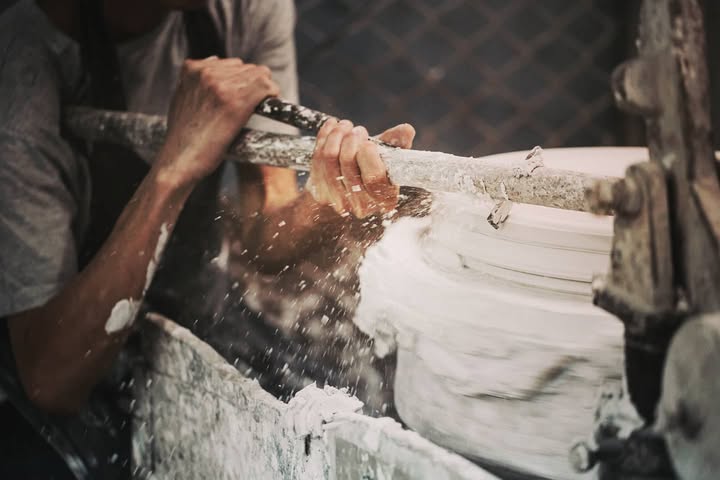
This comprehensive technical guide, authored by ARTWAY’s senior ceramic engineering and export design team, provides high-level information gain for buyers navigating Custom Glazed Stoneware Tableware production. Unlike commercial earthenware or delicate bone china, stoneware occupies a unique technical sweet spot balancing high mechanical strength, rich textural aesthetics, and exceptional heat retention suitable for both high-traffic commercial hospitality and upscale retail environments.
High Vitrification (<0.5% Absorption) BS EN 1183 Thermal Shock Tested 100% Lead & Cadmium Free ISO & Sedex Compliant Facility
Key Material Comparison: Stoneware vs. Porcelain vs. Earthenware
Understanding body composition is critical when specifying material specifications for private label dinnerware collections:
- Stoneware (ARTWAY Standard): Formed from natural kaolin clay, ball clay, feldspar, and silica. Fired at 1200°C – 1280°C. Water absorption rate is strictly under 0.5% to 1.5%. Highly chip-resistant, microwave, oven, freezer, and commercial dishwasher safe. Ideal for reactive glazes due to rich iron-content body interaction.
- Porcelain: Fired at 1300°C+, near zero absorption (<0.1%). Typically white or translucent, harder but more brittle under mechanical impact, restricted in natural reactive glaze depth.
- Earthenware: Fired at lower temperatures (900°C – 1100°C) with high water absorption (>10%). Requires thick glazes; prone to crazing, moisture absorption, and thermal cracking under restaurant use. Not recommended for long-term commercial usage.