

Comprehensive Sourcing Guide: Ceramic Trivet & Heat-Insulated Stoneware Sourcing in Kenya
The East African consumer and hospitality market is undergoing a structural evolution driven by expanding urban infrastructure in Nairobi, Mombasa, Kisumu, and Nakuru, alongside rapid growth in luxury safari tourism across the Masai Mara, Amboseli, and Laikipia regions. Within this dynamic environment, the demand for high-durability, aesthetically sophisticated kitchenware and tabletop accessories—specifically ceramic trivets, heat-resistant hot pads, and oven-to-table stoneware—has reached unprecedented levels.
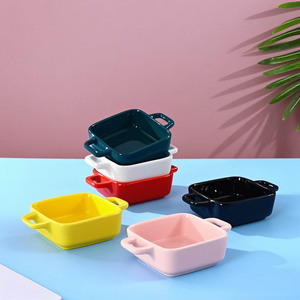
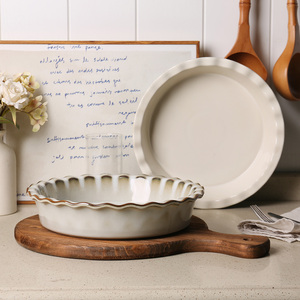
As a global stoneware manufacturer established in 1993, operating a state-of-the-art 10,000 square meter factory producing over 5 million pieces annually, ARTWAY offers direct-factory B2B supply lines customized for Kenyan importers, commercial procurement managers, retail chains, and hospitality interior designers. This comprehensive whitepaper explores technical requirements, localized operational contexts, regional trade compliance, and production benchmarks necessary for importing ceramic trivets and stoneware into Kenya.
Localized Application Scenarios Across Kenya
Analyzing operational stress points and design preferences across Kenya's key commercial and domestic sectors.
1. Commercial Hospitality & Safari Lodges
In high-end eco-lodges and luxury boutique hotels, hot meals—ranging from traditional *Sufuria*-prepared stews to sizzling cast-iron skillet dishes—are served direct to wooden or stone dining tables. High-fired stoneware ceramic trivets equipped with cork or silicone backing prevent thermal scorching, table scratching, and heat transfer while elevating table presentation.
2. Urban Middle-Class Residential Kitchens
Modern apartment developments in Nairobi’s Kilimani, Westlands, and Kileleshwa districts feature granite, quartz, and solid wood countertops. Ceramic hot pads serve as essential functional decor, shielding expensive countertop surfaces from thermal shock and grease damage caused by heavy cookware.
3. Retail, Curio & Souvenir Export Markets
Custom-printed ceramic trivets featuring African flora, fauna, or Maasai geometric motifs represent lucrative stock-keeping units (SKUs) for airport gift shops, handicraft exporters, and upscale houseware retailers targeting domestic urbanites and international tourists alike.
Technical Performance Comparison: Stoneware Ceramic Trivets vs. Alternative Materials
When selecting protective tabletop accessories for commercial or retail distribution in East Africa, buyers must consider long-term thermal resistance, hygienic cleanability, and structural durability under high humidity and daily washing cycles.
| Material Type | Thermal Threshold (°C) | Stain & Water Resistance | Surface Scratch Safety | Lifespan in B2B Use |
|---|---|---|---|---|
| High-Fired Stoneware (ARTWAY Ceramic) | Up to 250°C continuous | 100% Non-porous Vitreous Glaze | Soft Cork / EVA Backed (Scratch-Free) | 5–10+ Years (Indestructible Body) |
| Natural Wood / Bamboo Pads | 120°C (Risk of warping/charring) | Absorbs oils, susceptible to mold | Moderate protection | 6–18 Months (Splits under heat) |
| Silicone Rubber Mats | 200°C (May discolor) | Hydrophobic, accumulates lint | High flexibility, low stability | 1–3 Years (Degrades under UV) |
| Cast Iron Metal Trivets | 400°C+ (Transfers extreme heat) | Prone to rust in coastal areas | Can scratch polished marble/quartz | 10+ Years (High table-damage risk) |
Emerging Market Trends & Sourcing Drivers in Kenya (2025–2030)
Navigating the Kenyan houseware market requires an understanding of consumer preferences, macro-economic factors, and regional trade regulations under the East African Community (EAC) Customs Union.
1. Growth in E-Commerce & Retail Superstores
Major retail operators across Nairobi and Mombasa, combined with online marketplaces like Jumia and social commerce channels, have driven demand for modern kitchen accessories. Wholesalers are seeking branded ceramic trivets packaged in retail-ready, drop-tested color gift boxes with Kenya-compliant barcoding.
2. Shift Toward Eco-Friendly & Lead-Free Standards
Kenyan consumers and hospitality managers are increasingly conscious of food safety and toxicity. Traditional low-fired glazed earthenware often poses risks of heavy metal leaching. International certification (FDA, EU 2005/31/EC, California Prop 65 lead-free and cadmium-free standards) provides a distinct competitive advantage in regional tenders.
3. Demand for High Thermal Mass Cookware Accessories
Kenyan cooking traditions frequently involve heavy cookware, such as cast-iron Dutch ovens, heavy aluminum *Sufuria* pots, and earthenware *Tajines*. Ceramic trivets with high density and thermal absorption properties are essential to absorb residual heat without cracking or scorching table surfaces.
4. Customization & Brand Co-Branding Capabilities
Hotels, private resorts, and corporate clients in East Africa actively seek customized ceramic trivets featuring debossed corporate logos, hand-painted artwork, or underglaze decals. Overseas manufacturers capable of executing low-MOQ custom OEM runs are preferred partners.
Why Partner with ARTWAY: Direct Factory OEM Capabilities
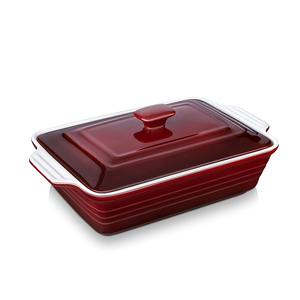
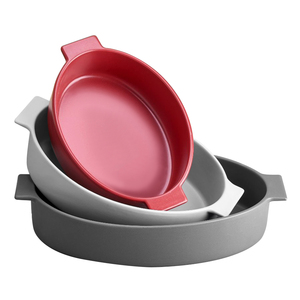
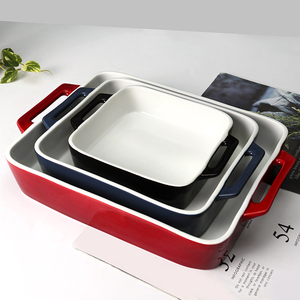
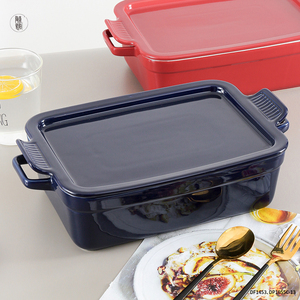
ARTWAY Company Limited operates as an integrated manufacturer rather than an intermediary trading agency. All stoneware bakeware, tableware, and heat-isolating trivet products are manufactured in our owned 10,000 sqm plant in Samut Sakhon, Thailand, utilizing controlled raw clay formulation, automated shaping processes, and continuous tunnel kiln firing.
In-House Tooling & Glaze Lab
We operate dedicated plaster mold tooling workshops and an R&D glaze laboratory capable of formulating custom matte, reactive, semi-gloss, or textured glazes to match specific Pantone color standards or client samples.
Rigorous Quality Control & Testing
Every batch undergoes thermal shock testing (heated to 200°C and plunged into cold water without thermal fracturing), glaze hardness scratch testing, and AQL 2.5 visual inspections before export packaging.
Streamlined Logistics to Mombasa Port
Our experienced export desk manages containerized freight from Bangkok / Laem Chabang ports directly to Kilindini Harbour, Port of Mombasa, handling bill of lading, Certificate of Origin, and pre-export documentation seamlessly.
Navigating Kenya Import Regulations: KEBS PVoC & Clearing Protocol
Importing ceramic tableware, bakeware, and trivets into Kenya requires strict compliance with statutory regulations mandated by the Kenya Bureau of Standards (KEBS). To ensure smooth customs clearance at Mombasa Port or Nairobi Inland Container Depot (ICD), importers must adhere to the following procedural guidelines:
- Pre-Export Verification of Conformity (PVoC): Ceramic kitchen products must obtain a Certificate of Conformity (CoC) issued by an authorized inspection agent (such as SGS, Intertek, or Bureau Veritas) in the country of origin prior to shipment loading.
- Food Contact Safety Compliance: Heavy-metal migration tests confirming non-detectable levels of Lead (Pb) and Cadmium (Cd) according to ISO 6486 standards are mandatory for ceramic items coming into contact with food or cookware.
- Import Declaration Form (IDF): All commercial consignments imported into Kenya require an IDF processed through the Kenya Revenue Authority (KRA) iTax / SIMBA system.
- Customs Tariff Classification: Ceramic trivets and stoneware bakeware generally fall under HS Code 6911.10 (Porcelain/China Tableware) or HS Code 6912.00 (Ceramic Tableware, Stoneware). Applicable import duties, East African Community Common External Tariff (CET), and Value Added Tax (VAT) apply accordingly.
ARTWAY supports Kenyan enterprise buyers by providing comprehensive lab test documentation, factory audit reports, and compliant commercial invoicing to streamline inspection protocols and prevent port demurrage delays.
Frequently Asked Questions for Kenya B2B Ceramic Sourcing
Direct answers to common technical, commercial, and operational questions from Kenyan buyers.