Explore our premium range of high-fired ceramic bakeware, ramekins, and heavy-duty stoneware ovenware designed for international importers, hotel chains, and retail brands.
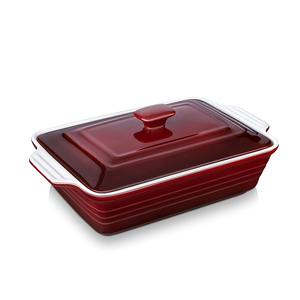
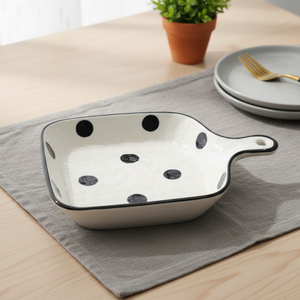
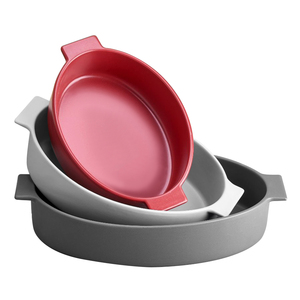
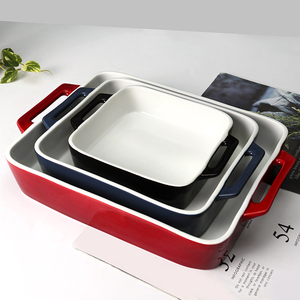
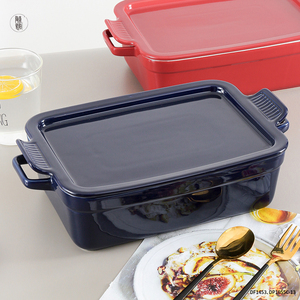
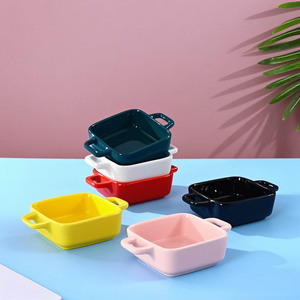
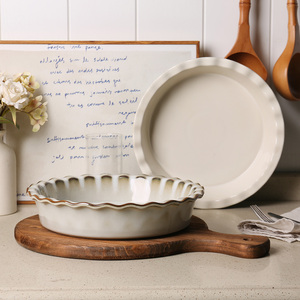
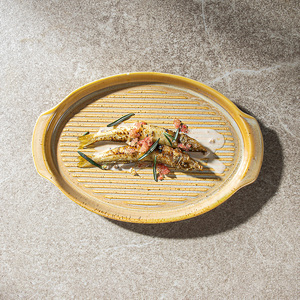
Analyzing thermal shock resilience, material formulation, and export logistics advantages for global foodservice importers.
In the global commercial ceramic landscape, Thailand has established itself as an indispensable hub for high-grade stoneware and porcelain bakeware production. Driven by decades of ceramic craftsmanship, access to premium kaolin clay deposits, and advanced high-temperature tunnel kiln infrastructure, Thai manufacturers offer an optimal balance of structural durability, aesthetic refinement, and competitive tariff structures.
For B2B procurement managers, hotel supply vendors, and international houseware brands, sourcing ceramic ramekins, souffle dishes, and oven-to-table bakeware from Thailand offers distinct advantages over alternative Asian ceramic manufacturing centers. As an established OEM/ODM exporter operating out of Samut Sakhon, ARTWAY Company Limited leverages a registered capital of 30 Million Baht and over 30 years of specialized manufacturing experience to produce over 5 million pieces annually for demanding global markets, including Europe, North America, Japan, Australia, and the Middle East.
A ceramic ramekin is subject to extreme thermal and physical stress in commercial kitchen environments. From direct exposure to blowtorches during caramelization of Crème Brûlée to rapid chilling in blast freezers and repeated thermal cycling in heavy-duty commercial dishwashers, low-grade earthenware ramekins are prone to micro-cracking, glaze crazing, and thermal shock failure. ARTWAY addresses these structural risks through precise mineral formulation and single-fired vitrification at 1250°C to 1280°C.
A technical comparison demonstrating why Thailand-manufactured stoneware outperforms standard market alternatives.
| Performance Metrics | ARTWAY High-Fired Stoneware Ramekins | Standard Earthenware Ramekins | Commercial Opal Glass Ramekins |
|---|---|---|---|
| Firing Temperature | 1250°C – 1280°C (Fully Vitrified) | 1000°C – 1100°C (Semi-Porous) | Melting Fused Glass (Non-Ceramic) |
| Water Absorption Rate | < 0.5% (Non-absorbent, hygienic) | 3.0% – 7.0% (Prone to staining) | 0.0% |
| Thermal Shock Resistance | Up to 220°C temperature differential | Max 120°C differential | Max 130°C differential |
| Glaze Hardness (Mohs Scale) | 6.5 – 7.0 (Scratch resistant to steel cutlery) | 4.5 – 5.0 (Easily scratched) | 5.5 – 6.0 |
| Dishwasher & Oven Safety | 100% Oven, Microwave & Dishwasher Safe | Limited oven safety; prone to cracking | Microwave safe; limited direct oven heat |
| Customization & Glaze Variety | Reactive, Matte, Gloss, Speckled, Embossed | Basic solid glazes only | Plain white / molded glass tint only |
Discover how ARTWAY ceramic ramekins and bakeware serve luxury resorts, high-throughput restaurant chains, and traditional Thai culinary presentations.
Thailand's world-renowned hospitality sector demands tableware that delivers flawless visual presentation alongside high physical endurance. ARTWAY ramekins with custom reactive glazes provide an artisanal, organic appearance favored by modern luxury resorts, while surviving high-turnover dishwashing cycles in 5-star kitchens.
Modern culinary innovators across Thailand are adapting classic ceramic ramekins for local delicacies such as Sankhaya Chong-Karoet (steamed coconut pumpkin custard), Khanom Krok variations, and single-portion Nam Phrik dipping sauces. The high heat retention of vitrified stoneware maintains optimal serving temperature at the table.
For international restaurant franchises operating throughout Southeast Asia, precise portion control is crucial. Our ceramic ramekins are manufactured with tight volumetric tolerance (±2%), guaranteeing uniform bake times for lava cakes, soufflés, and savory pies across all chain locations.
Insights into shifting consumer preferences, eco-friendly manufacturing initiatives, and global supply chain re-alignment.
The market demand for plain, high-gloss white porcelain has shifted dramatically toward earthy, semi-matte, and speckled reactive glazes. Global buyers seeking unique dining aesthetics rely on ARTWAY's in-house glaze laboratory, where custom color formulations are developed to match brand-specific mood boards and color pantones.
Sustainability has evolved from a marketing preference to a core procurement requirement for European and North American buyers. ARTWAY’s Samut Sakhon plant incorporates waste-heat recovery systems from our kilns, closed-loop water filtration for glaze reclaim, and eco-friendly recyclable packaging solutions.
Importers looking to diversify their manufacturing footprint outside of traditional supply channels benefit from Thailand's strategic geographic location, deep-sea port connections (Laem Chabang Port), and favorable bilateral trade agreements (ASEAN FTAs, RCEP, GSP benefits), ensuring predictable export schedules and optimized tariff structures.
Integrated manufacturing capabilities from raw clay refinement to final export container loading.
Unlike factories that rely on external suppliers, our internal mold shop fabricates plaster tooling within 15–25 working days. Our glaze engineers match exact Pantone colors and develop specialized finish textures to meet your target design profile.
Every batch of ramekins undergoes rigorous quality assurance checking: dimensional tolerance verification, glaze thickness measurement, edge impact testing, and thermal shock gradient simulation (-20°C to 220°C drop tests).
We deliver turn-key private label solutions. From stamped or debossed base logos to custom color gift boxes, barcode sticker application, and drop-test approved mail-order cartons, your product arrives market-ready.
Direct answers to essential questions asked by international buyers, sourcing agents, and hospitality procurement teams.
A: ARTWAY offers flexible MOQ terms compared to mass-volume industrial factories. For standard shapes with custom glazes, MOQs typically start at 1,000 to 2,000 pieces per glaze. For custom OEM shapes requiring original molds, we can mix multiple shapes within one 20ft container load to optimize shipping efficiency.
A: Prototype development (3D modeling, plaster mold production, and sample firing) takes approximately 15 to 25 working days. Once the pre-production sample is approved, mass production typically requires 35 to 50 days, depending on glaze complexity and order quantity.
A: Yes. Our high-fired stoneware is vitrified at 1250°C to 1280°C, ensuring zero water absorption and high thermal stability. They are certified safe for use in direct convection ovens, microwaves, commercial high-temp dishwashers, and freezer storage.
A: Absolutely. Our chemical glaze laboratory specializes in custom glaze matching, including matte, gloss, semi-matte, speckled, reactive, and vintage crackle glazes. We provide fired ceramic color tiles for client sign-off prior to production.
A: We provide full export documentation including Commercial Invoice, Packing List, Bill of Lading, Certificate of Origin (Form D, Form E, or General COO for tariff preferences), and third-party food-contact test reports (SGS / Intertek / TÜV) upon request.
A: We utilize heavy-duty corrugated master cartons (5-ply / 7-ply), internal cell dividers, polybag moisture protection, and reinforced wooden pallets. Package designs are subjected to ISTA-1A drop testing to guarantee zero transit damage.
Contact our technical export sales team today to request product catalogs, custom OEM project quotations, or sample shipments. We respond to all business inquiries within 24 hours.
Inquire Now