Precision-engineered for high thermal shock resistance, food safety standards (FDA, EU 1935/2004), and commercial dishwasher durability. Manufactured at ARTWAY's 10,000 sqm Samut Sakhon facility.
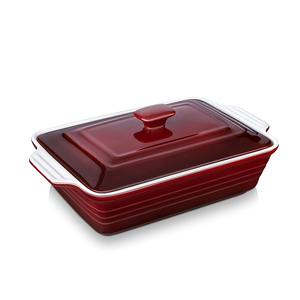
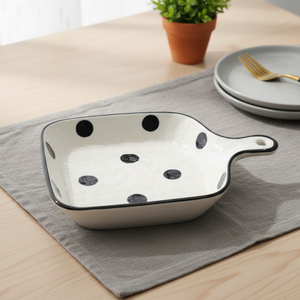
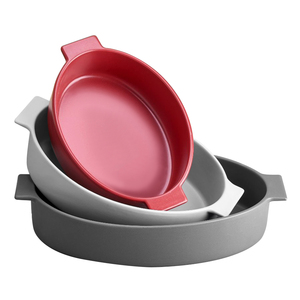
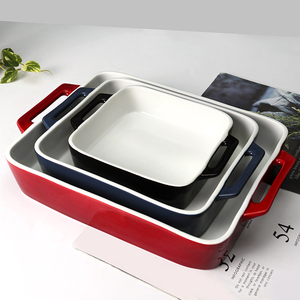
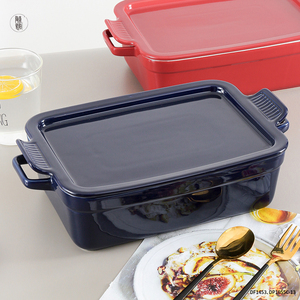
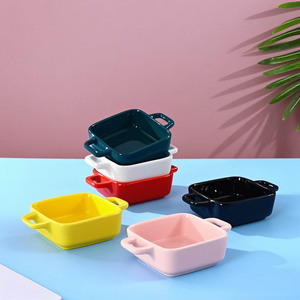
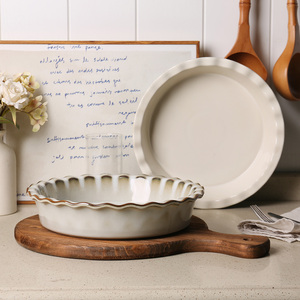
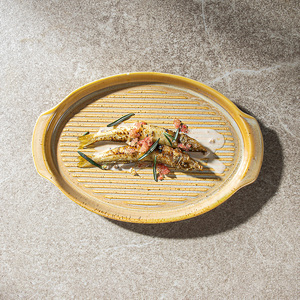
In the evolving global houseware, retail, and hospitality procurement ecosystem, sourcing partners are undergoing a fundamental transformation. Global buyers—ranging from high-end departmental store retail brands to hospitality procurement conglomerates—are shifting away from volume-only trading houses toward direct manufacturing partners capable of delivering verified structural integrity, rigorous chemical compliance, and flexible OEM mass customization.
Establishing a resilient supply chain for ceramic tableware and stoneware bakeware demands deep technical auditing of a factory's core capabilities. Key parameters include vitrification temperatures, body density, thermal expansion co-efficiency, and glaze formulation stability. ARTWAY Company Limited, operating since 1993 from Samut Sakhon, Thailand, exemplifies the operational excellence required of a top-tier global exporter. Operating a fully owned 10,000 square meter industrial facility with over 200 skilled ceramic technicians, ARTWAY bridges traditional craftsmanship with modern automated quality control.
Selecting the correct ceramic substrate is a decisive factor in product longevity, safety, and brand reputation. Tableware and bakeware engineered for modern commercial kitchens and consumer ovens must endure extreme thermal cycles without micro-cracking, glazing craze, or mechanical fracture.
ARTWAY stoneware is fired in computerized tunnel kilns at temperatures reaching 1,250°C to 1,300°C. This high firing cycle fuses kaolin, quartz, and feldspar into a dense, non-porous body with a water absorption rate under 0.5%, far outperforming standard low-fired earthenware.
Food contact safety is non-negotiable. Our in-house glaze laboratory formulates 100% lead-free and cadmium-free glazes compliant with US FDA 21 CFR, California Proposition 65, and EU Regulation No. 1935/2004. Heavy metal extraction tests are certified per production batch.
Our specialized bakeware formulations undergo thermal shock testing up to 220°C temperature differentials (e.g., transition from freezer to preheated oven). This eliminates catastrophic breakage during cooking and commercial reheating routines.
To assist B2B procurement managers in specifying materials for custom tableware OEM programs, the following matrix contrasts material properties across structural strength, thermal performance, and manufacturing flexibility.
| Performance Parameter | ARTWAY High-Fired Stoneware | Standard Earthenware | Commercial Porcelain |
|---|---|---|---|
| Firing Temperature | 1,250°C – 1,300°C | 1,000°C – 1,150°C | 1,300°C – 1,400°C |
| Water Absorption Rate | < 0.5% (Vitrified) | 5.0% – 10.0% (Porous) | < 0.1% (Fully Vitrified) |
| Thermal Shock Tolerance | High (ΔT up to 220°C) | Low (ΔT under 120°C) | Moderate to High |
| Mechanical Edge Chipping | Superior Durability | Prone to Chipping | High Hardness / Brittle |
| Glaze Decorative Effects | Reactive, Matte, Speckle, Decal | Basic Gloss & Decal | Smooth Gloss / Limited Reactive |
| Oven & Microwave Safety | 100% Certified Safe | Requires Caution | 100% Certified Safe |
| Custom OEM Mould Flexibility | High / Cost-Effective Tooling | High / Fast Wear | Complex Tooling / High Initial Cost |
As retail buyers and hospitality purchasing executives prepare their product roadmaps for 2025–2030, structural market realignments are changing how OEM factory contracts are negotiated and awarded. Sourcing strategy relies not just on unit price, but on supply chain resilience, tariff stability, and sustainable manufacturing practices.
Importers in North America and Western Europe are actively hedging single-country sourcing reliance. Thailand has emerged as a premier ceramic manufacturing hub due to its rich natural clay deposits, established export logistics (Bangkok and Laem Chabang ports), and favorable international trade agreements. By partnering with a direct Thailand-based manufacturer like ARTWAY, buyers lock in predictable tariff structures and geopolitical stability.
Commercial restaurants and lifestyle retailers are shifting away from sterile white porcelain toward organic, tactile surfaces. Reactive glazes, semi-matte finishes, hand-applied speckles, and raw rim contrasts are experiencing compound annual growth rates exceeding 8.4%. ARTWAY’s dedicated glaze chemistry laboratory develops customized reactive glazes that achieve handcrafted aesthetics while maintaining batch-to-batch color stability.
With direct-to-consumer sales expanding across online retail, transit damage is a key driver of return costs. Procurement teams require tableware factories to provide integrated packaging development—such as ISTA-6A drop-test compliant gift boxes, honeycomb eco-cushioning, and barcode-ready master cartons—ensuring products travel intact from factory floor to end consumer.
Rigid high-MOQ mandates (5,000+ pieces per SKU/color) tie up inventory capital. Modern buyers demand flexible manufacturing frameworks. ARTWAY supports low MOQs per shape and glaze, permitting multi-SKU consolidation within a single 20ft or 40ft container load to optimize cash flow and seasonal inventory velocity.
Transforming a design concept into a mass-produced ceramic line requires precise engineering discipline. ARTWAY manages the entire lifecycle in-house to guarantee complete quality control and intellectual property protection for international OEM clients.
Our engineering team analyzes CAD files, physical samples, or design sketches. We assess volumetric shrink rates (typically 10-12% during stoneware vitrification), draft angles for clean mold release, and structural ribbing for handles.
Plaster master molds and working molds are sculpted inside our factory mold shop. Fired ceramic prototypes are delivered within 15 to 25 working days for customer review, color matching, and physical handling tests.
Mass production runs through automated forming (slip casting, jiggering, or pressing) followed by precision glazing and kiln firing. Every batch undergoes AQL 1.5/4.0 inspection, backstamp verification, and drop-test packaging prior to port departure.
Detailed responses to critical commercial, technical, and regulatory questions commonly raised by B2B buyers and supply chain auditors.
Unlike rigid mass-volume plants requiring 5,000+ units per SKU, ARTWAY provides flexible MOQ options designed to accommodate boutique lifestyle brands, regional retail chains, and commercial hospitality buyers. Our standard OEM run starts from a few hundred pieces per shape and glaze combination. Furthermore, buyers can mix multiple existing shapes, sizes, and glaze finishes within a single 20ft or 40ft container to achieve optimal freight efficiency.
Upon approval of 2D/3D technical drawings or physical sample reference specifications, initial plaster mold creation and fired prototype sampling take approximately 15 to 25 working days. Once pre-production samples receive client sign-off, full mass production cycles typically range between 35 and 50 days, depending on order volume, glaze complexity (e.g., multi-layer reactive glazes), and custom packaging requirements.
Yes. All ARTWAY high-fired stoneware formulations utilize 100% lead-free and cadmium-free raw materials and glazes. Our products undergo third-party laboratory testing to comply with international regulations including US FDA 21 CFR, California Proposition 65, and EU Regulation No. 1935/2004. Furthermore, our vitrified stoneware body is engineered for oven-to-table use (heat-resistant up to 250°C), microwave permeability, freezer storage, and commercial dishwasher abrasion resistance.
We export ceramic products to importers, department stores, e-commerce brands, and hotel chains across Europe, North America, Japan, Australia, and the Middle East. Shipments leave from our factory in Samut Sakhon via Bangkok Port or Laem Chabang Deep Sea Port. Standard trade terms include FOB, CIF, EXW, and DDP upon request.
Yes. We provide complete private-label OEM services. This includes engraved or stamped backstamps applied under the glaze, custom glaze color matching via Pantone references, decal printing, branded retail gift boxes, outer master carton barcoding, and drop-test verified protective packaging for online retail fulfillment.
Whether you are expanding a retail stoneware line, sourcing durable hospitality dinnerware, or developing custom OEM bakeware, our engineering team is ready to review your specifications. Direct factory pricing, verified food safety compliance, and comprehensive supply chain support.
Contact Us