High-fired stoneware crafted for thermal shock immunity, extreme kitchen abrasion resistance, and seamless oven-to-table presentation.
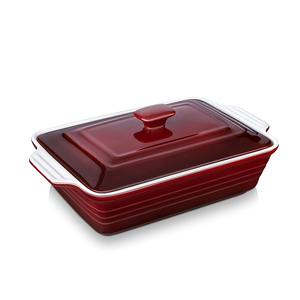
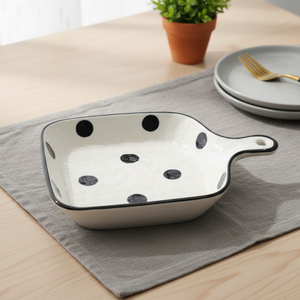
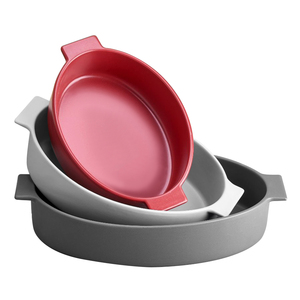
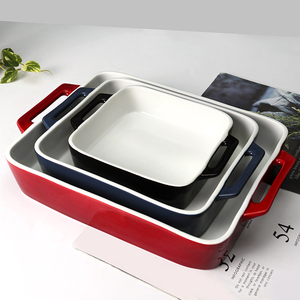
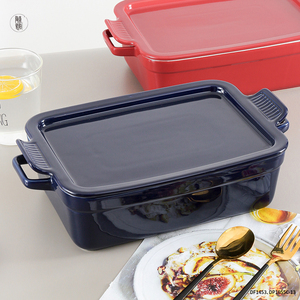
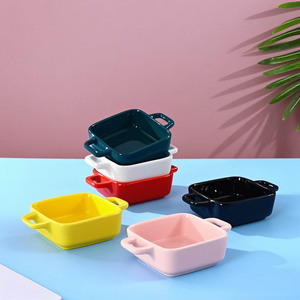
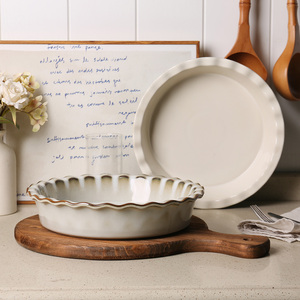
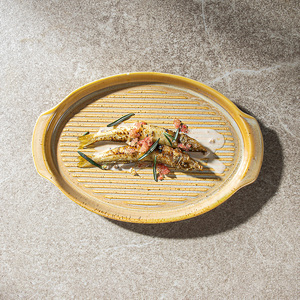
In the global hospitality, retail houseware, and commercial food-service sectors, selecting a serveware manufacturing partner requires rigorous technical evaluation. Ceramic serveware must balance high-aesthetic table appeal with extreme physical resilience—enduring high-temperature baking cycles, rapid automated commercial dishwashing, mechanical knife abrasion, and heavy drop impact. Established in 1993 with a registered capital of 30 million THB, ARTWAY Company Limited operates as a tier-one OEM/ODM manufacturer and exporter of commercial-grade stoneware and porcelain products.
Operating from our owned 10,000 square meter manufacturing facility in Samut Sakhon, Thailand, ARTWAY maintains absolute control over the ceramic manufacturing lifecycle. Unlike regional trading vendors who outsource slip casting or glaze application to disparate satellite workshops, ARTWAY integrates in-house raw material refined processing, tool and plaster mold engineering, proprietary glaze chemistry development, high-temperature tunnel kiln vitrification, and automated drop-test certified packaging under one centralized Quality Management System (QMS).
Commercial serveware performance relies heavily on the physical properties of the ceramic clay body and glaze matrix. Conventional earthenware or low-fired ceramics absorb moisture over time, leading to micro-crazing, glaze peeling, and structural failure when exposed to high heat or commercial dishwashers. ARTWAY's high-fired stoneware utilizes a proprietary blend of local kaolin, ball clay, feldspar, and silica, engineered specifically for commercial applications.
Our ceramic body undergoes a dual-firing process. The initial bisque firing at 900°C stabilizes the structural shape and drives out organic moisture. Following hand-dipped or precision-sprayed glaze application, the secondary gloss firing reaches peak thermal equilibrium at 1,250°C+. This high thermal profile melts the silica glaze directly into the stoneware body, forming an fused interface zone that resists chipping, surface scratches from stainless steel cutlery, and crazing under extreme thermal changes.
| Performance Metric | ARTWAY Commercial Stoneware | Standard Earthenware | Melamine / Synthetic Serveware |
|---|---|---|---|
| Firing Temperature | 1,250°C – 1,280°C (Vitrified) | 1,000°C – 1,100°C (Porous) | Chemical Polymerization (Non-Fired) |
| Water Absorption Rate | < 0.5% (Impermeable / Food Safe) | 3.0% – 8.0% (Risk of Crazing) | 0.0% (Surface Degradation Over Time) |
| Thermal Shock Tolerance | ΔT = 180°C to 220°C Instant Shift | ΔT < 120°C (Prone to Shattering) | Unsafe for Direct Oven / Salamander Heat |
| Glaze Hardness (Mohs Scale) | 6.5 – 7.0 (Cutlery Scratch Resistant) | 4.0 – 5.0 (Easily Scratched) | 2.5 – 3.0 (Stains and Scratches Quickly) |
| Regulatory Compliance | FDA, EU No 1935/2004, LFGB, Prop 65 | Varies (Lead/Cadmium Leaching Risk) | Risk of Formaldehyde/BPA Leaching at >70°C |
As a specialized OEM exporter, ARTWAY provides global brands, commercial importers, and hospitality chains with turn-key product development services. Our in-house mold tooling studio can transition 3D CAD files or hand sketches into physical plaster working molds within 15 to 25 working days. Furthermore, our glaze laboratory maintains a repository of over 1,500 reactive, semi-matte, satin, glossy, and textured glaze formulas, all completely lead-free and cadmium-free.
Custom shade development against Pantone or RAL color standards. Reactive glazes created through controlled metallic oxides during high firing.
Precision plaster master molds engineered to account for exact clay shrinkage rates (typically 10-12%), ensuring dimensional accuracy.
Multi-stage quality checks: raw clay moisture testing, post-bisque inspection, glaze thickness measurement, thermal shock testing, and 100% visual inspection before packing.
Key technological shifts, regulatory developments, and design trends reshaping global commercial tableware procurement over the next decade.
Global environmental directives and food safety updates across Europe and North America are accelerating the phase-out of plastic and melamine dinnerware in commercial settings. Due to concerns regarding chemical leaching under high heat, international hotel chains and restaurant groups are standardizing on natural vitrified stoneware. Stoneware serveware provides non-toxic food contact, absolute longevity, and 100% natural mineral end-of-life recycling.
Modern dining trends favor the unique visual identity of hand-crafted studio pottery. However, commercial operators cannot sacrifice industrial stackability or color consistency. The future of serveware procurement lies in industrial-scale reactive glazing—where specialized glaze formulas react naturally inside tunnel kilns to create organic variations while maintaining uniform outer dimensions and stackable foot rims.
Commercial kitchens are optimizing back-of-house workflow by adopting multi-use ceramic serveware. Vessels that transition seamlessly from freezer storage (-20°C) directly to high-heat convection ovens or salamanders (+250°C) eliminate intermediate plating steps. This significantly reduces labor costs, cuts dishwasher cycles, and retains food temperature longer when served to guests.
Global procurement teams are actively implementing "China+1" diversification strategies to mitigate supply chain disruptions and geopolitical tariff risks. Thailand has emerged as a preferred manufacturing hub for high-grade ceramics, offering rich natural kaolin deposits, skilled ceramic artisans, competitive trade tariffs with western markets, and modern deep-sea port logistics via Laem Chabang and Bangkok.
Technical and commercial answers addressing common buyer inquiries regarding OEM orders, logistics, and quality assurance.
Unlike traditional high-volume ceramic factories that demand 5,000+ pieces per single SKU, ARTWAY supports flexible OEM volume requirements. Our standard minimum order runs start from a few hundred pieces per shape/glaze for existing body lines. For completely custom 3D mold developments, we recommend a consolidated container load (20ft FCL) mixed across multiple shapes to optimize unit freight costs. We also accommodate boutique hospitality projects and e-commerce product launches with lower initial sample runs.
Once technical 2D/3D drawings or Pantone color targets are approved:
• Tooling & First Fired Samples: 15 to 25 working days (includes plaster mold sculpting, glaze trial testing, and kiln firing).
• Mass Production Run: 35 to 50 days following sample sign-off, depending on order volume, decoration complexity (decals/hand-painting), and kiln scheduling.
• Repeat OEM Orders: Accelerated lead times as archived production molds and pre-tested glaze recipes are immediately available.
Yes. Every serveware range manufactured at our Samut Sakhon plant is engineered from high-fired vitrified stoneware using 100% lead-free, cadmium-free glazes. Our products fully comply with international food contact standards including US FDA, EU Directive 84/500/EEC, German LFGB, and California Proposition 65. Products are routinely tested for thermal shock durability (withstanding sudden temperature drops from oven heat down to room temperature water without cracking) and micro-abrasion resistance in automated commercial dishwashers.
We provide comprehensive private label options. Your brand logo or backstamp can be engraved directly into the bottom plaster mold or applied via high-temperature underglaze decal firing. For packaging, we offer fully customized color gift boxes, mail-order packaging with EPE foam inserts, barcode sticker labeling, and inner carton master packing. All e-commerce packaging solutions are rigorously pre-tested under ISTA 3A drop-test procedures to ensure near-zero breakage during global shipping.
ARTWAY exports globally from Thailand's main maritime gateways: Bangkok Port and Laem Chabang Deep Sea Port. We operate under standard international commercial terms including FOB, CIF, CFR, and EXW. Our experienced export documentation team manages all Certificates of Origin (Form E, Form A, or preferential trade agreements), commercial invoices, packing lists, and bill of lading documentation for seamless customs clearance in Europe, North America, Japan, Australia, and the Middle East.
Whether you require custom OEM bakeware development, hospitality tableware supply, or a resilient manufacturing partner in Southeast Asia, our engineering team is ready to review your project specification sheet.