Explore our top-exported ceramic bakeware, casserole pans, and restaurant-grade stoneware sets manufactured for global importers and brands.
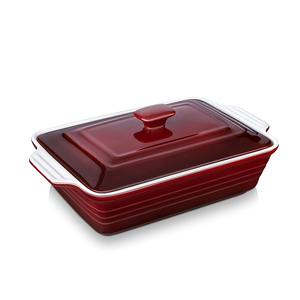
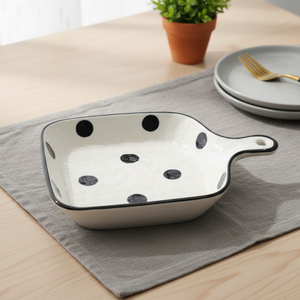
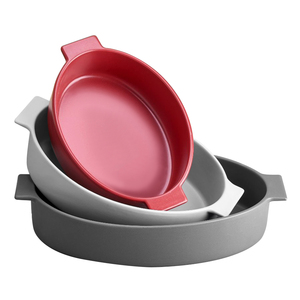
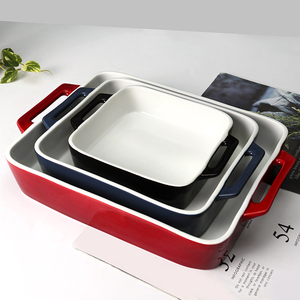
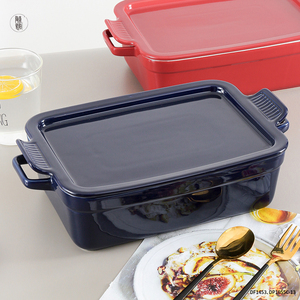
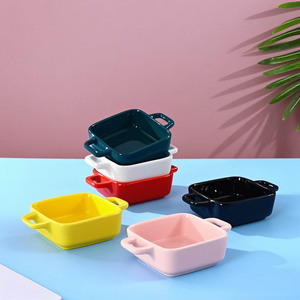
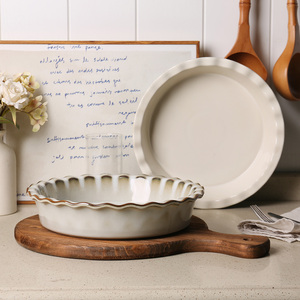
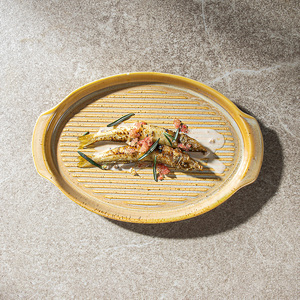
A comprehensive strategic analysis for B2B buyers, retail importers, hospitality brand procurement managers, and e-commerce enterprises.
The global commercial and residential tableware market is undergoing a structural shift toward high-durability, food-safe, multi-functional ceramic and stoneware solutions. As international consumer preferences lean heavily into modern aesthetics—such as matte reactive glazes, ergonomic dual-handle designs, and versatile oven-to-table functionality—importers must partner with manufacturers that combine raw material engineering with high-capacity precision firing.
China remains the world’s preeminent manufacturing hub for ceramic dinnerware, stoneware bakeware, and specialty kitchen accessories. However, procuring at scale requires more than sourcing low unit costs; it demands evaluating kiln thermal stability, glaze chemical non-reactivity, compliance with international food contact standards (FDA, California Proposition 65, LFGB), and structural resistance to thermal shock.
Formulated from non-porous refined clay and fired at extreme temperatures, high-fired stoneware delivers a water absorption rate under 0.5%. This creates exceptional mechanical strength, chip resistance, and superior heat retention required for commercial bakecraft and heavy dishwasher cycles.
Premium glaze formulations utilize non-toxic mineral oxides without lead or cadmium leaching risks. Advanced glazes undergo high-temperature vitrification to produce scratch-resistant, acid-resistant, and non-staining protective barriers that withstand daily commercial usage.
Superior ceramic bakeware is engineered to withstand extreme thermal gradients. From freezer-to-oven transitions up to 480°F (250°C), optimized thermal expansion coefficients prevent micro-cracking, crazing, or catastrophic thermal fracturing during rapid temperature switches.
Understanding body composition and physical properties to make informed bulk procurement decisions.
| Material Parameter | High-Fired Stoneware | Standard Porcelain | Low-Fired Earthenware |
|---|---|---|---|
| Firing Temperature | 1280°C – 1320°C | 1200°C – 1300°C | 1000°C – 1150°C |
| Water Absorption Rate | < 0.5% (Vitrified) | < 0.2% (Vitrified) | 3% – 10% (Porous) |
| Thermal Shock Tolerance | High (Up to 250°C Delta) | Moderate to High | Low (Prone to cracking) |
| Chip & Impact Resistance | Superior (Dense Body) | Moderate to High | Low |
| Primary Application | Oven Bakeware, Hotel Tableware | Fine Dining, Coffee Ware | Decorative Home Accent |
Why leading global retailers, houseware brands, and hospitality distributors choose our direct manufacturing ecosystem.
With over 30 years of deep ceramic engineering experience, our state-of-the-art facility features automated slip casting, high-precision jiggering lines, custom plaster mould workshops, and continuous tunnel kilns. Operating entirely under one roof, we eliminate third-party outsourcing delays, ensuring strict tolerance controls across high-volume production orders.
Our specialized glaze laboratory formulates bespoke colorways, from matte organic earthy tones and reactive speckles to glossy solid glazes and intricate decal applications. Every glaze recipe is rigorously tested prior to mass production to ensure complete compliance with global food contact regulations.
We offer flexible minimum order quantities compared to rigid mass-market factories. Buyers can mix multiple shapes, casserole sizes, and glaze colors within a single container run to streamline inventory risks.
Every batch undergoes structured AQL 1.5/4.0 quality inspections. Our QA engineers execute 100% surface flaw audits, thermal shock testing, dishwasher abrasion checks, and carton drop testing prior to release.
Engineered for direct-to-consumer online sellers, our transit packaging solutions utilize reinforced drop-tested mail-order boxes, high-density EPE foam, and zero-breakage inner partition packaging.
Key strategic shifts shaping the tableware and bakeware industry over the next decade.
Traditional ultra-smooth, uniform white porcelain is increasingly sharing market share with organic, tactile stoneware featuring reactive glazes. Modern consumers and upscale restaurant groups demand unique visual variations where chemical reactions inside the kiln produce one-of-a-kind color gradients and subtle speckled textures on every piece.
Driven by urban space constraints and culinary convenience, demand is surging for versatile bakeware sets featuring ergonomic dual handles, stacking nestability, and matching ceramic platter lids. Consumers prefer pieces that seamlessly transition from roasting in high-temperature ovens to serving as elegant centerpieces on modern dining tables.
Global buyers are scrutinizing factory carbon footprints and ESG credentials. Future ceramic manufacturing leadership relies on closed-loop clay recycling, heat recovery systems that channel waste heat from kilns into clay drying rooms, and lead-free non-polluting mineral glaze formulations.
To stay competitive, retail brands require shortened product development cycles. Utilizing 3D CAD modeling, rapid SLA resin mockups, and digital ceramic inkjet printing, lead times for custom tableware prototype development have decreased from months to under three weeks.
Detailed answers to standard commercial, technical, and logistical questions raised by global tableware buyers.
Whether you require custom OEM stoneware bakeware, private-label ceramic dinnerware sets, or competitive factory pricing for bulk wholesale orders, our technical export team is ready to assist.
Send an Inquiry