Oven-to-Table Stoneware, Reactive Glaze Casseroles & High-Durability Restaurant Serveware
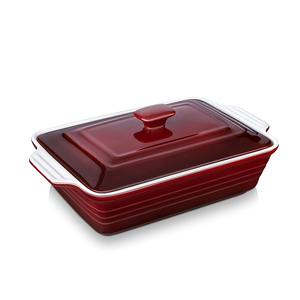
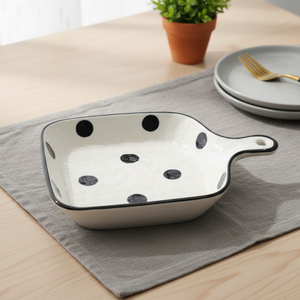
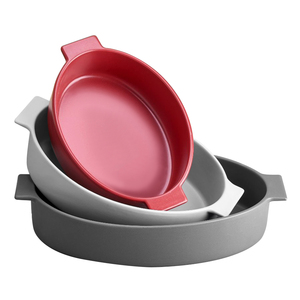
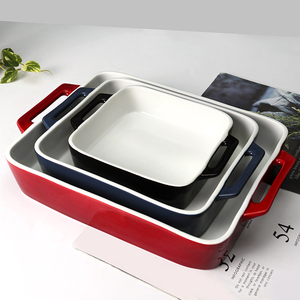
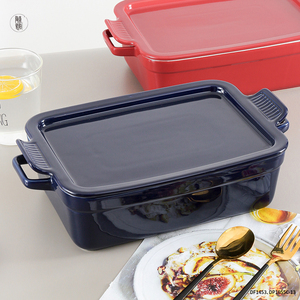
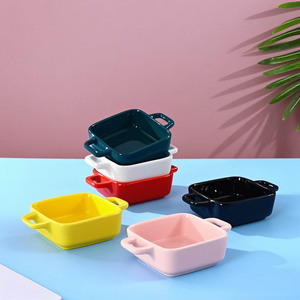
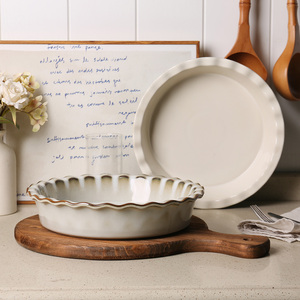
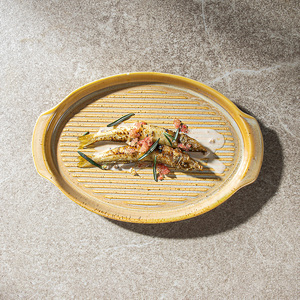
Years Firing Mastery
Annual Pieces Output
Modern Plant Facility
Food Contact Safe
The global commercial ceramic serveware market has undergone a structural transformation. Procurement directors, retail category heads, and hospitality buyers evaluating supply chain risk must look beyond basic unit economics to examine regional manufacturing hubs, material integrity, kiln technology, and regulatory compliance. China remains the undisputed epicenter of worldwide ceramic production, providing unprecedented economies of scale, technological versatility, and specialized industrial clusters.
Navigating the Chinese ceramic landscape requires a clear understanding of regional specializations. Sourcing teams looking to procure high-volume, premium serveware, oven-to-table bakeware, and boutique restaurant ceramics typically target four primary manufacturing zones:
Renowned as the "Ceramic Capital of China," Chaozhou dominates global export volumes in stoneware tableware, daily-use porcelain, and hotel serveware. Excellent for large-scale production, low-fired and high-fired automated tunnel kilns, and competitive container pricing.
Famous for its historic white porcelain ("Blanc de Chine"), Dehua excels in ultra-fine porcelain, sculpted serveware, seasonal holiday serving collections, and intricate decorative glazes with high physical density and translucency.
Liling (Hunan) leads in high-temperature underglaze color ceramic technology, while Zibo (Shandong) specializes in heavy-duty commercial stoneware, heat-resistant bakeware formulas, and industrial glaze formulations tailored for harsh dishwashers.
To achieve maximum supply resilience, leading international distributors and OEM brands frequently deploy a hybrid manufacturing strategy. Combining China's extensive material supply chains and tooling speed with international secondary manufacturing nodes—such as dedicated OEM operations in Thailand (e.g., modern facilities featuring 10,000+ sqm footprints and 5M+ annual unit capacities)—enables buyers to optimize tariff structures while maintaining rigorous quality control.
Search intent analysis among B2B buyers reveals a distinct shift from generic tableware sourcing toward specialized, multi-functional serveware engineered for commercial environments. Modern hospitality operators and lifestyle retailers demand serveware that bridges aesthetic distinction with severe operational durability.
Mass-produced uniformity is giving way to organic, artisanal textures. Micro-reactive glazes create unique gradient variations during firing, providing high-end restaurant presentation without custom hand-crafting costs.
Modern serveware must transition seamlessly from -20°C freezer storage directly to 250°C ovens. High-silica stoneware formulations prevent micro-cracking and structural fatigue under high heat differentials.
Space optimization in commercial kitchens and retail packaging drives demand for flat-bottom, nesting bakeware and serveware featuring reinforced rim structures to minimize edge chipping.
Selecting the correct body composition directly dictates product lifespan, breakage rates, thermal resistance, and overall procurement ROI. The table below presents verified material benchmarks across key ceramic classes used in serveware manufacturing:
| Material Category | Firing Temp (°C) | Water Absorption Rate | Thermal Shock Max ΔT | Chip Resistance Score | Recommended Application |
|---|---|---|---|---|---|
| High-Fired Stoneware | 1250°C - 1320°C | < 0.5% | 180°C - 220°C | ★★★★★ (Very High) | Oven-to-Table Bakeware, Casseroles, Commercial Serveware |
| Durable Hotel Porcelain | 1320°C - 1380°C | < 0.1% | 150°C - 180°C | ★★★★☆ (High) | Banquet Dining, High-Traffic Tableware, Fine Dining Platters |
| New Bone China | 1200°C - 1260°C | < 0.3% | 140°C - 160°C | ★★★☆☆ (Medium) | Retail Gift Sets, Lightweight Dinnerware, Tea & Coffee Accessories |
| Earthenware / Terracotta | 1000°C - 1150°C | > 3.0% | 100°C - 120°C | ★★☆☆☆ (Low) | Decorative Home Accent Serveware, Low-Cost Seasonal Items |
Manufacturing high-grade stoneware serveware requires meticulous control of thermal expansion, clay rheology, and firing dynamics. Partnering with experienced China and international OEM factories ensures your proprietary designs transition seamlessly from initial CAD drawings to container shipments.
Technical drawings are optimized for clay shrinkage (typically 10-14%). Plaster master molds are machined in-house to guarantee tight dimensional tolerances across multi-piece sets.
Complex shapes with integral handles (such as au gratin dishes and deep casseroles) undergo high-pressure slip casting or automated jiggering to remove internal air pockets.
Products are hand-dipped or robot-sprayed with specialized glazes. Formulations are certified 100% lead-free and cadmium-free to meet strict US FDA and EU 1935/2004 standards.
When importing wholesale serveware, establishing clear Acceptable Quality Limit (AQL) standards before mass production is vital. Reputable manufacturers provide comprehensive inspection reports verifying structural and chemical safety:
Heavy metal leaching tests (Lead/Cadmium) conducted via ICP-MS analysis, verifying compliance with FDA CPG Sec. 545.400 and California Proposition 65.
Immersing pieces in hot oven oil or heated water (+200°C) followed by instant submersion in cold ice water (20°C) to ensure zero micro-cracking.
ISTA 1A/3A drop test verification on full retail master cartons, evaluating internal foam structures and corner-edge protection against shipping damage.
Elevate your product catalog with engineered stoneware bakeware, custom reactive glazes, and reliable OEM/ODM container supply.
Get Catalog