High-temp vitrified ceramic collections engineered for thermal shock resistance, zero water absorption, and superior surface glazes.
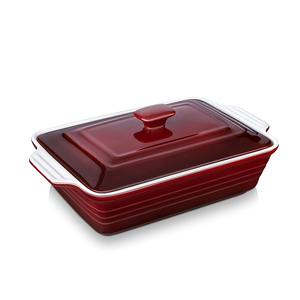
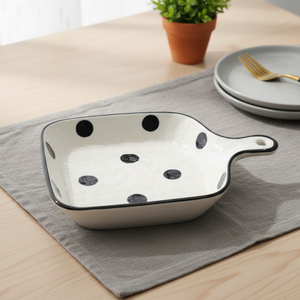
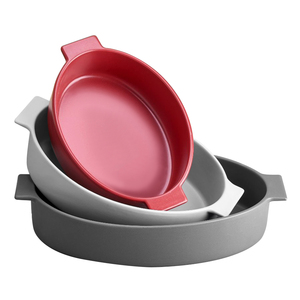
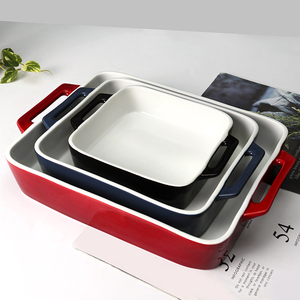
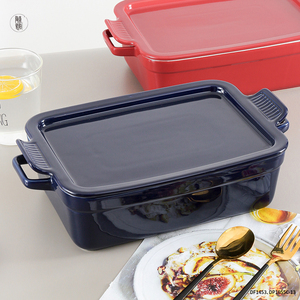
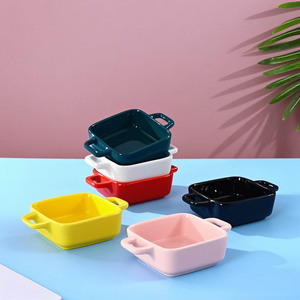
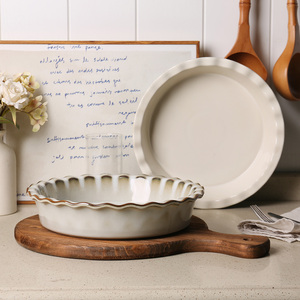
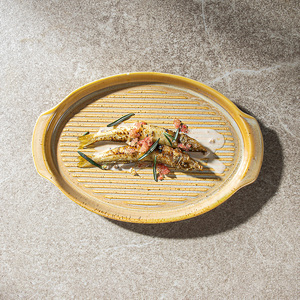
In global B2B procurement across the home decor, funeral memorial, hospitality, and luxury ceramic container markets, selecting a top-tier ceramic urn supplier requires evaluating technical capabilities beyond basic aesthetic appeal. Fired ceramic vessels, urns, stoneware bakeware, and storage jars demand meticulous control over body formulations, mineral purity, kiln temperature curves, and glaze vitrification. As leading exporters, modern enterprise manufacturers must strictly balance structural integrity, moisture sealing, chemical leaching compliance, and long-term durability under varying thermal and ambient conditions.
Core Technical Insight: Premium ceramic urns and stoneware vessels fired at pyrometric cones 9 to 11 (1280°C to 1320°C) achieve a dense mullite crystalline structure, reducing water absorption to below 0.2%. This prevents micro-fissure expansion, structural degradation, and pigment fading over multi-decade lifespans.
The manufacturing process begins with purified kaolin clays, feldspar, quartz, and secondary ball clays sourced for high alumina content. To ensure optimal density and mechanical strength, raw materials undergo wet ball-milling to achieve a particle size distribution where over 90% of slurry particles measure below 10 microns. Filter pressing and vacuum pugging remove entrapped micro-bubbles, preventing internal pinholes and structural weaknesses during high-temperature firing.
Vitrification is the fundamental chemical transformation where clay turns into a non-porous glass-like solid. Unlike low-fired earthenware (fired between 900°C and 1050°C, which remains porous and prone to chipping), high-fired stoneware and porcelain urns undergo complete vitrification. Glazes are lead-free and cadmium-free formulations engineered to match the Coefficient of Thermal Expansion (CTE) of the ceramic body, eliminating crazing, shivering, or micro-cracking during environmental temperature fluctuations.
Integrated OEM tooling, specialized glaze research laboratories, and rigorous international quality control standards.
Rapid plaster mould development and 3D prototyping within 15–25 working days. Precision CNC mould carving ensures zero dimensional drift from technical drawings.
Proprietary glaze formulas including reactive speckle, matte satin, metallic sheen, and hand-painted metallic accents, tested for abrasion resistance and colour stability.
100% lead-free, cadmium-free glazes compliant with California Proposition 65, EU Directive 2005/31/EC, FDA, and LFGB standards for zero toxic chemical leaching.
Engineered ISTA 3A/6A drop-test packaging options using custom EPE foam inserts, corrugated double-wall cartons, and automated pallet wrapping for zero transit breakage.
Computerized continuous tunnel kilns and shuttle kilns ensure uniform heat distribution within ±3°C, eliminating batch-to-batch colour variation and warping.
Custom production runs structured to accommodate growing luxury brands, specialized memorial houses, and high-volume retail chains with container-mix optimization.
Comprehensive technical metrics detailing our ceramic urn and high-fired stoneware manufacturing parameters:
| Performance Parameter | High-Fired Stoneware / Ceramic Urns | Standard Earthenware (Competitor) | Testing Standard / Protocol |
|---|---|---|---|
| Firing Temperature | 1280°C – 1320°C (Cone 9–11) | 950°C – 1050°C (Cone 06–04) | Pyrometric Cone Equivalency |
| Water Absorption (Porosity) | < 0.2% to 0.5% (Vitrified) | 5.0% – 12.0% (Porous) | ASTM C373-18 / ISO 10545-3 |
| Thermal Shock Resistance | Delta T 180°C to 20°C water bath (No Crack) | Fails at Delta T > 110°C | ASTM C554 / EN 1183 |
| Glaze Hardness (Mohs Scale) | Mohs 6.5 – 7.0 (Scratch Resistant) | Mohs 4.0 – 5.0 | EN 101 / Mohs Hardness Test |
| Heavy Metal Leaching | Lead: < 0.1 mg/L, Cadmium: < 0.01 mg/L | Varies (Risk of Leaching) | US FDA CPG 7117.06/07 / Prop 65 |
| Density & Specific Gravity | 2.35 – 2.45 g/cm³ | 1.80 – 2.05 g/cm³ | Hydrostatic Mass Balance Method |
Global consumer demand is rapidly shifting away from uniform mass-produced gloss glazes toward tactile, organic, and artisanal textures. Advanced reactive glazing techniques—where natural metallic oxides (iron, copper, cobalt, titanium) interact dynamically inside the kiln—create one-of-a-kind surface patterns on every urn and stoneware piece. Importers securing supply chains with computerized glaze formulation labs can maintain visual consistency while delivering unique handmade aesthetic appeal.
Tier-1 retail groups and global B2B procurement managers are prioritizing factories that uphold strict ESG (Environmental, Social, and Governance) compliance. Energy-efficient regenerative natural gas kilns, closed-loop water filtration systems that recycle 95% of industrial wastewater, and zero-waste clay reclamation processes are becoming prerequisite criteria for enterprise sourcing contracts.
With cross-border e-commerce expanding for luxury urns and premium ceramic bakeware, suppliers must offer factory-level retail packaging integration. Passing rigorous drop tests (such as 10-drop sequence from 90cm onto solid concrete) directly at the manufacturing facility eliminates secondary packaging steps at overseas distribution hubs, significantly reducing operational fulfillment costs.
Direct answers regarding OEM tooling, production timelines, quality assurance, and international trade terms.
Our baseline OEM production run starts at 500 to 1,000 pieces per custom shape and glaze formulation. For established body shapes using custom surface decal decorations or color glazes, MOQs can be reduced to 300 pieces. Flexible container loading allows mixing multiple product shapes and glazes within a single 20ft or 40ft HQ container to optimize freight economics.
Initial 3D design rendering and technical drawing review takes 3 to 5 working days. Plaster model carving, case mould fabrication, and initial fired sample development require 15 to 25 working days. Upon sample approval and glaze lock-in, mass production typically ranges between 35 and 50 days, depending on order volume and decoration complexity.
We archive master reference ceramic tiles for every approved customer glaze. Slurry viscosity, specific gravity, and glaze application thickness are digitally measured before firing. Automated continuous tunnel kilns with multi-zone digital thermocouple monitoring maintain strict firing curves within ±3°C, ensuring batch-to-batch visual and structural fidelity.
Yes. All raw materials and glaze recipes are formulated to be 100% lead-free and cadmium-free. Products pass rigorous international standards including US FDA, California Proposition 65, EU Directive 2005/31/EC, and German LFGB. High-fired stoneware items are oven safe up to 260°C (500°F), microwave safe, dishwasher durable, and freezer safe.
We execute strict Acceptable Quality Limit (AQL 2.5 / 4.0) inspection procedures across three distinct stages: In-Process Quality Control (IPQC) during clay forming, Post-Firing Inspection (100% manual check for pinholes, cracks, and glaze defects), and Pre-Shipment Packaging Audits including carton drop tests and barcode scanning verification.
We regularly export under FOB (Bangkok / Shenzhen / Ningbo / Qingdao), CIF, CFR, and EXW terms. Our export documentation team manages full customs clearance documentation, certificates of origin (Form E, Form F, CO), SGS/Intertek inspection coordination, and bill of lading issuance for seamless port delivery worldwide.
Connect with our senior ceramic engineering team to request physical samples, discuss custom OEM tooling, or receive a comprehensive wholesale price quotation.
Get Catalog