Engineered with vitrified clay bodies, high thermal shock resistance, and certified food-safe glazes for OEM private label brands.
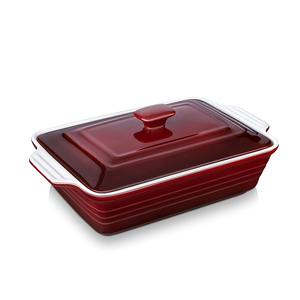
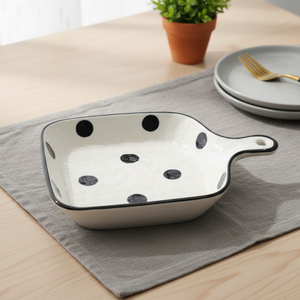
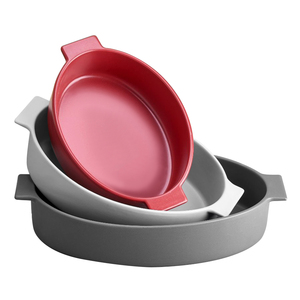
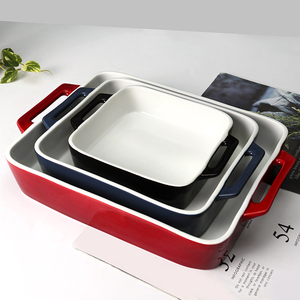
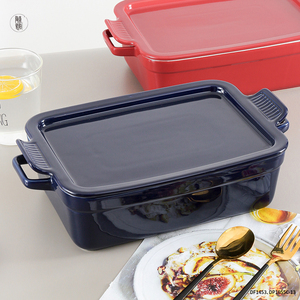
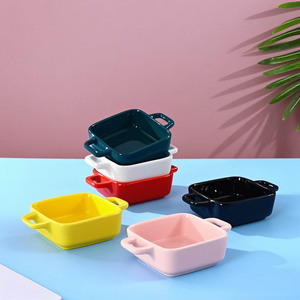
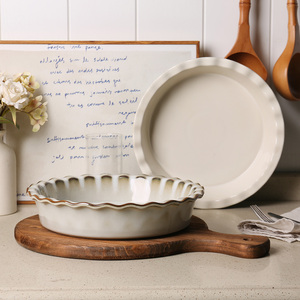
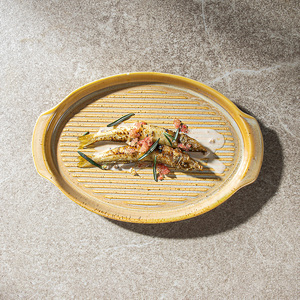
An empirical audit of top manufacturing clusters, tariff mitigation strategies, and material integrity criteria for professional procurement teams.
In the evolving landscape of global commercial housewares, procurement directors and wholesale brand managers face dual pressures: maintaining rigorous compliance with stringent non-toxic chemical regulations while mitigating volatile international shipping tariffs and supply disruption. Evaluating the Top 10 Wholesale Canister Factory & Supplier choices demands moving past standard agent broker catalogs to audit direct ceramic firing technologies, glaze chemistry safety, and structural clay density.
Stoneware kitchen canisters and airtight food storage vessels require significantly higher structural density than standard decorative ceramics. High-fired stoneware (fired between 1250°C and 1300°C) undergoes complete vitrification, reducing water absorption to under 0.5%. This technical metric prevents moisture ingress, bacteria growth, micro-cracking, and glaze crazing over extended commercial usage cycles.
| Evaluation Parameter | High-Fire Stoneware (e.g., ARTWAY Hub) | Standard Earthenware Manufacturers | Mass Commercial Porcelain Suppliers |
|---|---|---|---|
| Firing Temperature | 1250°C – 1280°C (Fully Vitrified) | 1000°C – 1150°C (Porous Body) | 1300°C – 1400°C (Vitrified) |
| Water Absorption Rate | < 0.5% (Non-porous, odor-proof) | 3.0% – 8.0% (Risk of odor retention) | < 0.1% (Vitrified) |
| Thermal Shock Resistance | High (ΔT 180°C to 220°C oven-to-table) | Low (Cracks under sudden delta) | Moderate to High (Shape dependent) |
| Heavy Metal Safety | 100% Lead-Free, Cadmium-Free Glazes | Requires periodic batch testing | Standard compliance |
| Tariff & Freight Optimization | Favorable SEA Origin Duty Structures | Standard region specific taxes | Subject to anti-dumping tariffs |
| OEM Customization Flexibility | Low MOQ runs, custom glaze formulas | High MOQ, limited glaze range | Strict high volume minimums |
Full vitrification ensures zero absorption of oils, acidic food liquids, or ambient moisture. This technical threshold guarantees long-term durability in high-humidity food storage environments.
Formulated with non-toxic frit mixtures and natural earth oxides. Fully tested to exceed EU Directive 84/500/EEC, US FDA Compliance Policy Guides, and California Proposition 65.
Diversifying manufacturing into Southeast Asian hubs like Thailand shields wholesale brands from geopolitical disruption while leveraging established export infrastructure.
How progressive ceramic container and bakeware manufacturers are adapting to retail and consumer shifts over the next decade.
Modern consumers demand seamless aesthetic integration between natural ceramics and functional food preservation mechanisms. Future-ready wholesale canister factories are integrating food-grade silicone ring seals, precision-milled bamboo, acacia, and stainless steel clamp lids onto slip-cast stoneware bases. This cross-material engineering requires exceptionally tight dimensional tolerances post-firing (+/- 1.5mm) to guarantee an airtight seal without compromising lid closure ergonomics.
Commercial trends have shifted away from high-gloss monochrome finishes toward organic, tactile textures. Reactive glaze formulations—where mineral combinations react dynamically during the peak cooling phase of tunnel kiln firing—create unique glaze speckles and subtle tonal gradations. Leading OEM suppliers maintain proprietary glaze chemistry databases that replicate custom Pantone swatches with batch-to-batch repeatability.
As urban living spaces condense, hospitality buyers and retail consumers prioritize modular, multi-use kitchenware. High-density ceramic canister bodies are increasingly engineered to double as baking vessels, microwave heaters, and elegant serving dishes. The structural clay body must handle rapid thermal shifts (e.g., direct transition from cold refrigeration to preheated 220°C convection ovens) without thermal stress fracturing.
With direct-to-consumer (D2C) online retail expanding rapidly, container breakage rates directly impact net margins. Sourcing managers now require wholesale manufacturers to engineer molded ISTA-certified drop-test packaging directly at the factory gate, eliminating the cost and waste of third-party re-packing before warehouse dispatch.
Understanding the multi-stage technical process that ensures structural longevity, aesthetic elegance, and safety compliance.
Using ultra-fine clay slurry poured into high-density plaster moulds ensures uniform wall thickness across cylindrical canister shapes, preventing thermal stress distortion during high-temperature firing.
Initial bisque firing at 850°C removes organic impurities and bound moisture, rendering the unglazed body chemically stable and receptive to smooth, even glaze adsorption.
Final glost firing at 1280°C fuses glaze particles directly into the ceramic matrix. This creates a non-porous, scratch-resistant surface capable of surviving intense commercial dishwashers.
A fully integrated ceramic manufacturing infrastructure dedicated to global importers, department store retail, and commercial food service brands.
Established in 1993 with a registered capital of 30 million THB, ARTWAY Company Limited stands as a premier Thailand-based manufacturer and exporter of stoneware kitchenware, airtight canisters, tableware, and decorative ceramics. Operating out of an expansive 10,000 square meter factory facility in Samut Sakhon, Thailand, ARTWAY houses over 200 master craftspeople and ceramic engineers under one roof.
Unlike trading brokers or unverified third-party suppliers, ARTWAY executes every production tier in-house: from initial 3D CAD modeling and plaster mould tooling to custom glaze synthesis, precision firing, and custom packaging. This end-to-end operational setup gives global buyers absolute control over batch consistency, delivery timelines, and international quality standards.
| OEM Workflow Stage | Operational Protocol & Quality Guarantee | Lead Time Horizon |
|---|---|---|
| 1. Feasibility & CAD Review | Technical analysis of wall thickness, shrinkage ratios, lid gasket tolerance, and firing risks. | 1 – 3 Working Days |
| 2. Prototype & Tooling | In-house plaster model creation, case master moulds, and fired ceramic pre-production samples. | 15 – 25 Working Days |
| 3. Glaze & Color Match | Custom glaze matching to Pantone swatches or physically provided reference tiles in our glaze lab. | Parallel with Tooling |
| 4. High Kiln Mass Firing | Batch vitrification in controlled tunnel kilns with computerized temperature zone monitoring. | 35 – 50 Days (Volume dependent) |
| 5. Inspection & Export | AQL 2.5 quality control inspection, lead/cadmium leach tests, drop-test master packing, FOB shipment. | Dispatched via Bangkok/Laem Chabang |
Clear, direct answers regarding custom tooling, minimum order quantities, compliance testing, and global logistics terms.
ARTWAY maintains flexible MOQ requirements designed to support both established retail chains and boutique brands. Standard OEM runs typically start from a few hundred pieces per shape and glaze finish. Furthermore, buyers can combine multiple existing canister shapes and glaze SKUs within a single container load to achieve maximum shipping cost efficiency.
Following initial technical drawing approval, physical 3D models and fired ceramic sample prototypes are delivered within 15 to 25 working days. Once pre-production samples receive final client sign-off, full-scale mass production generally takes between 35 and 50 days, depending on glaze complexity and total container order volume.
Yes. All ARTWAY stoneware bodies are fired at temperatures reaching 1280°C and use 100% lead-free, cadmium-free glazes. Our products undergo rigorous testing to comply with international food contact standards including US FDA, European LFGB, and California Proposition 65. Official lab test reports are available per item prior to shipment.
Absolutely. Our in-house glaze chemistry laboratory specializes in replicating exact Pantone color swatches as well as creating artistic reactive glazes, satin matte textures, and decal decorations. We can engrave or print your custom brand logo directly onto the canister base, alongside providing fully branded retail box packaging.
We export stoneware products globally to North America, Europe, Australia, Japan, and the Middle East. Standard trade terms include FOB, CIF, and EXW. Cargo is dispatched from major Thailand sea ports including Bangkok Port and Laem Chabang Port, supported by complete commercial export documentation.
All items are packed using custom-fit corrugated dividers, molded foam trays, or eco-friendly inner packaging designed to absorb transport impacts. Every container packaging configuration undergoes rigorous ISTA drop-testing to ensure zero breakage upon arrival at your distribution center.
Request an OEM consultation, custom glaze samples, or a complete product catalog directly from our Thailand engineering team. We respond to technical inquiries within 24 hours.
Get Catalog