Direct factory wholesale options ranging from automated commercial bakery production systems to high-fired OEM stoneware dessert moulds and HALAL-certified bakery supply solutions.
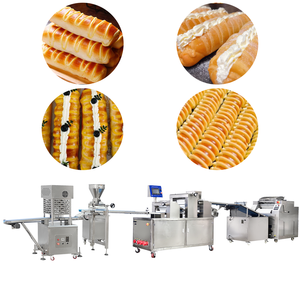
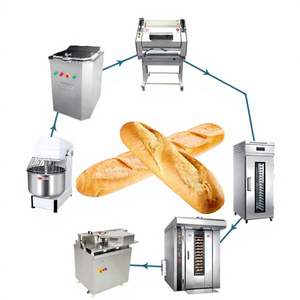
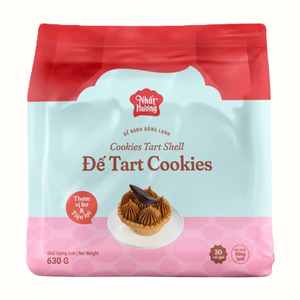
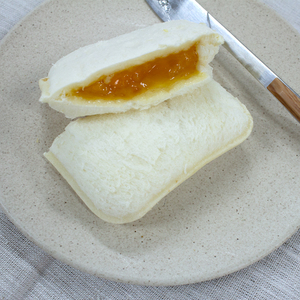
An in-depth guide for retail buyers, commercial bakery procurement directors, hospitality groups, and brand owners seeking high-gain, resilient, and fully compliant OEM/ODM manufacturing partnerships.
The commercial and retail bakeware sectors are undergoing a structural shift driven by consumer demand for non-toxic materials, high thermal durability, and multi-functional oven-to-table aesthetics. Modern commercial procurement requires moving away from traditional single-layer coatings toward advanced high-fired stoneware ceramics and food-safe engineered substrates.
Furthermore, commercial bakeries are increasingly requesting customized high-efficiency moulds capable of handling both rapid automated production lines (such as 20-80 pcs/min bread lines) and specialized pre-baked frozen dessert applications (HALAL-certified tart shells, layered custard pastries, and high-fat baked goods).
Global food-contact regulations have reached unprecedented stringency. B2B importers into North America, Europe, Japan, and the Middle East can no longer tolerate micro-leaching of heavy metals or structural thermal breakdown during prolonged thermal cycling.
Our owned manufacturing facilities in Samut Sakhon, Thailand, operate under strict quality assurance frameworks ensuring zero lead and cadmium content. Every batch of high-fired stoneware undergoes rigorous leaching tests matching EU Directive 84/500/EEC, US FDA CPG 7117.06/07, and California Proposition 65 criteria.
A rigorous empirical analysis of material properties for commercial kitchenware, bakery production lines, and retail cookware ranges.
| Performance Metrics | High-Fired Stoneware (ARTWAY Ceramic) | Carbon Steel / Non-Stick | Cast Iron Cookware | Low-Temp Commercial Earthenware |
|---|---|---|---|---|
| Firing Temperature (°C) | 1,250°C – 1,320°C (Fully Vitrified) | 200°C – 400°C (Coating Cured) | 1,150°C – 1,200°C | 900°C – 1,050°C (Porous) |
| Thermal Shock Resistance (ΔT) | Up to 220°C (Oven-to-Freezer Safe) | Moderate (Risk of Coating Peeling) | High (High Thermal Mass) | Poor (Prone to Thermal Shock Fracture) |
| PFAS / PTFE / Heavy Metal Safety | 100% Free / Inert Glaze Surface | Risk of PFAS degradation > 260°C | Requires seasoning / Non-reactive | Risk of Lead/Cadmium in cheap glazes |
| Dishwasher & Microwave Safety | 100% Safe (Non-porous glaze) | Not Recommended (Degrades coating) | Hand wash only (Rust risk) | Limited (Microwave hot spots) |
| Commercial Scratch Resistance | Mohs Scale 6.5+ (Metal utensil safe) | Low (Easily scratched by steel) | High | Low to Moderate |
| B2B Custom Tooling Flexibility | High (Custom plaster/case moulds) | Very High Tooling Cost (Stamping dies) | High Tooling Cost (Sand casting) | Moderate |
How automation, sustainable ceramic body formulations, and aesthetic glaze engineering are reshaping the international OEM/ODM landscape.
Modern hospitality brands and premium retail chains are moving away from monolithic plain white ceramics. The primary trend centers on specialized reactive glazes—where metal oxide reactions in the tunnel kiln produce organic, variegated color tones while maintaining 100% batch-to-batch structural consistency and food safety.
The integration of high-speed mechanical forming (jiggering, pressure casting, continuous tunnel kiln firing) combined with artisan hand-glazing allows factories to deliver 5+ million pieces annually. This hybrid model achieves custom premium hand-finished looks at competitive commercial price points.
Global procurement teams prioritize ESG compliance. Modern ceramic facilities utilize waste-heat recovery systems from tunnel kilns to power clay drying rooms, drastically reducing gas consumption, lowering carbon emissions per unit, and stabilizing manufacturing costs against global energy price shocks.
Combining three decades of ceramic engineering heritage with comprehensive in-house tooling, custom glaze synthesis, and export-ready logistics.
Unlike factories that outsource mold making to third-party workshops, our Samut Sakhon plant features an active, in-house mold and case workshop. This capability ensures complete control over dimensional shrinkage tolerances, wall-thickness uniformity, and prototype delivery within 15–25 working days.
Every commercial order undergoes rigorous AQL (Acceptable Quality Limit) 1.5/4.0 inspection prior to container loading. We understand that ceramic breakages severely degrade retail margins and cause supply disruptions.
Flexible trade terms including FOB Bangkok, FOB Laem Chabang, CIF, or EXW, supported by dedicated English-fluent sales managers answering technical inquiries within 24 hours.
Addressing key operational, technical, and logistics questions commonly raised by international importers, brand managers, and commercial buyers.
ARTWAY offers flexible MOQ structures compared to traditional mass-volume commodity factories. Typical OEM production runs start from a few hundred to 1,000 pieces per shape and glaze finish. Furthermore, buyers can mix multiple existing shapes and glazes within a single container load to reach optimal shipping economies.
New mold creation, 3D prototype refinement, and first-fired physical samples typically take 15 to 25 working days following CAD drawing approval. Upon physical sample sign-off, mass production requires 35 to 50 days depending on glaze complexity, decoration techniques, and order volume.
Yes. All ARTWAY stoneware bodies are vitrified at high temperatures (1,250°C+) using lead-free and cadmium-free glazes strictly formulated for direct food contact. Our bakeware lines are engineered to safely transition between conventional ovens, microwaves, commercial dishwashers, and freezers without cracking or glazing wear.
Extensively. We support full private-label manufacturing including debossed/embossed ceramic backstamps, underglaze decal printing, customized color-matched retail gift packaging, barcode labeling, and specialized inner protective inserts tailored for e-commerce or retail shelf presentation.
We export regularly to leading retail chains, hospitality supply groups, and houseware brands across North America, Europe (EU & UK), Japan, Australia, and the Middle East. All shipments originate directly from our plant in Samut Sakhon, Thailand, loading through Bangkok or Laem Chabang ports.
Every batch undergoes thermal shock testing (220°C oven to cold water submersion), water absorption verification (<0.5%), dimensional check against CAD drawings, and visual glaze inspections under AQL 1.5 standards before final carton sealing and container loading.
Request our comprehensive product catalog, request a factory capability dossier, or consult directly with our senior ceramic engineering team today. English-fluent technical responses within 1 business day.
Get Catalog