Precision-engineered ceramic, bone china, melamine, and eco-friendly eco-substrates optimized for heavy hospitality usage and high-density catering operations.
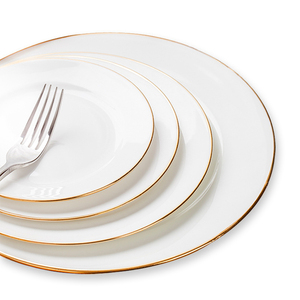
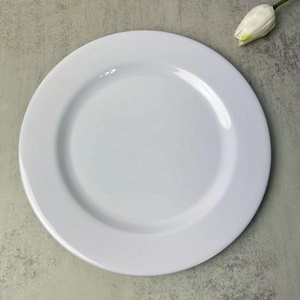
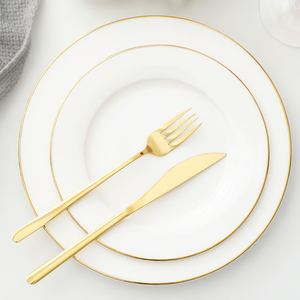
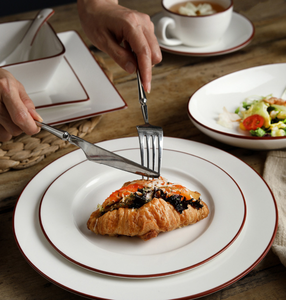
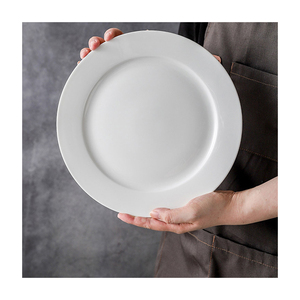
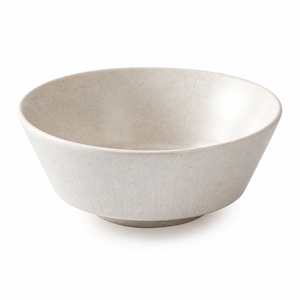
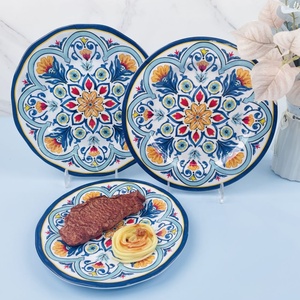
In the contemporary B2B food service ecosystem, commercial tableware is far more than a simple culinary vessel—it represents a mission-critical infrastructural asset for hotels, Michelin-starred establishments, global catering chains, and cruise lines. Unlike domestic dinnerware designed for low-frequency usage, commercial-grade tableware operates under punishing physical and chemical stressors. It undergoes high-temperature commercial dishwashing cycles (exceeding 85°C with aggressive alkaline detergent solutions), rapid thermal shock transitions, stacking abrasion, and continuous knife-edge scraping.
As a leading custom OEM ceramic and tableware manufacturer operating since 1993 from our 10,000 square meter integrated production facility in Samut Sakhon, Thailand, ARTWAY Company Limited engineers commercial dinnerware using rigorous material science. Selecting the optimal substrate—whether High-Alumina Stoneware, Fine Bone China, Heavy-Duty Vitrified Porcelain, NSF-certified Food-Grade Melamine, or Biodegradable Plant Fibers—is the pivotal decision determining replacement cycles and total cost of ownership (TCO) for commercial procurement directors.
Information Gain Metric: Standard residential ceramic dinnerware experiences an average annual breakage and chipping rate of 25% to 35% when introduced into high-volume commercial kitchens. In contrast, fully vitrified commercial stoneware and alumina-reinforced porcelain engineered to ASTM C368 standards reduce annual replenishment rates to under 4.2%.
Understanding the internal micro-structure of commercial tableware substrates enables global procurement teams to match material performance with operational demands:
Fired at temperatures exceeding 1320°C (Cone 10), high-alumina porcelain incorporates 15–25% aluminum oxide (Al₂O₃) into the kaolin matrix. This creates a zero-porosity mineral phase with water absorption below 0.1%, offering extraordinary impact resistance and complete protection against bacterial absorption.
Combines refined tricalcium phosphate derived from bone ash with feldspar and kaolin clay. Fired at dual-temperature regimes (1250°C biscuit, 1150°C glaze), bone china achieves unparalleled translucency, elevated flexural strength (>120 MPa), and a pristine ivory aesthetic tailored for high-end luxury banquet operations.
Formulated with dense refractory ball clays, ARTWAY high-fired stoneware is vitrified at 1250°C. Known for organic tactile surfaces, reactive glaze aesthetics, and thick body structures, it offers superior thermal retention for oven-to-table service and rustic fine dining concepts.
Thermosetting formaldehyde-melamine resin molded under high pressure (20–25 MPa) at 160°C. Virtually unbreakable, lightweight, and heat-resistant up to 120°C, high-density melamine is the premier choice for outdoor banquets, hospital tray service, buffet display units, and high-turnover casual dining.
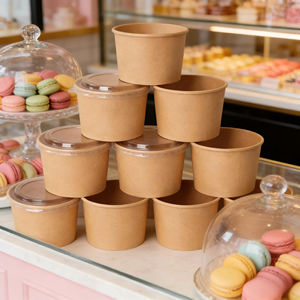
Formed from rapidly renewable sugarcane bagasse pulp or bamboo fibers bound with plant-based natural resins. Engineered for single-use or limited-reuse catering applications, these substrates decompose within 90–180 days in industrial composting facilities without leaving microplastic residues.
Formulated with lead-free, cadmium-free frits, our proprietary glaze coatings achieve a Mohs surface hardness rating of 6.5 to 7.0. This prevents micro-scratching from stainless steel flatware and eliminates glaze crazing caused by cyclic thermal expansion.
As the international hospitality industry rebounds and expands into multi-concept dining, procurement strategies are undergoing a fundamental paradigm shift. Based on empirical trade data across North America, Europe, East Asia, and the Middle East, our growth analysis highlights four key trends shaping the future of commercial tableware sourcing:
1. Organic Reactive Glazes with Batch-to-Batch Repeatability: Executive chefs increasingly favor hand-crafted, artisanal glaze appearances featuring subtle tonal variations, matte finishes, and tactile rim textures. However, traditional studio pottery lacks consistency. The future belongs to advanced OEM manufacturers capable of utilizing robotic dip-glaze application and multi-zone computer-controlled tunnel kilns that deliver an organic, reactive aesthetic while maintaining strict dimensional tolerances for commercial dish-stacking machinery.
2. Edge-Chip Guarantee & Engineered Rim Geometry: Operational costs associated with chipped plate rims represent a significant loss item on commercial balance sheets. Modern OEM suppliers are redesigning plate peripheries with rolled rims, reinforced edge radii, and internal stress-relief angles. Combined with high-alumina body formulations, edge-chip warranties (e.g., 5-year rim chip coverage) are transitioning from a premium novelty into a mandatory purchasing requirement for major hotel management groups.
3. Decoupling Supply Chains via South-East Asian OEM Hubs: Global trade friction, shifting tariff structures, and anti-dumping duties on ceramics have led enterprise buyers to diversify their vendor portfolios away from traditional single-region supply chains. Thailand has emerged as a premier manufacturing destination due to abundant natural kaolin deposits, high-skilled ceramic craftsmanship, favorable trade agreements (EU, US, ASEAN), and robust port logistics in Bangkok and Laem Chabang.
4. Strict ESG Compliance & Circular Material Sourcing: ESG criteria (Environmental, Social, and Governance) now actively influence hospitality RFPs. Buyers demand transparency regarding kiln fuel efficiency (recuperative burner technology utilizing clean natural gas), wastewater filtration and zero-discharge recycling systems, lead/cadmium leaching compliance (FDA CPG 7117.06/07 and EU Directive 84/500/EEC), and ethical workforce labor practices.
| Substrate Material | Thermal Shock Resistance | Impact Strength (ASTM C368) | Dishwasher Safe Rating | Optimal Commercial Use Case |
|---|---|---|---|---|
| High-Alumina Stoneware | ΔT ≥ 180°C | High (0.85 J) | 1,500+ Industrial Cycles | Farm-to-Table, Boutique Hotels, Casual Dining |
| Luxury Bone China | ΔT ≥ 140°C | Very High (0.95 J) | 1,000+ Industrial Cycles | Fine Dining, VIP Banquets, Executive Suites |
| Commercial Melamine Resin | -20°C to +120°C | Unbreakable | 2,000+ Industrial Cycles | Buffets, Outdoor Pools, Hospitals, Colleges |
| Eco Bagasse Paper Pulp | 0°C to 100°C | Single-Use | N/A (Disposable) | Quick Service (QSR), Takeaway, Outdoor Events |
As an authentic direct manufacturer based in Samut Sakhon, Thailand, ARTWAY Company Limited eliminates middleman markups, communication bottlenecks, and quality variance. Since our founding in 1993 with 30 million THB in registered capital, we have expanded into an internationally audited production engine delivering over 5,000,000 pieces annually to importers, retail chains, and hospitality conglomerates across North America, Europe, Australia, Japan, and the Middle East.
We convert 2D technical drawings, 3D CAD files, or physical concept prototypes into high-precision plaster working molds in 15 to 25 working days. Dimensional shrinkage during firing (typically 10-14%) is mathematically calibrated to ensure exact volumetric capacities and stackability.
Our chemical engineers develop custom glaze formulas matching specific Pantone, RAL, or customer-provided physical color swatches. We offer reactive, glossy, semi-matte, textured, crackle, and underglaze decal treatments thoroughly tested for food safety.
Unlike monolithic mass factories demanding tens of thousands of pieces per single SKU, ARTWAY supports manageable OEM production runs. Importers can combine multiple shapes, sizes, and glaze finishes within a single 20ft or 40ft HQ container load.
Every batch undergoes stringent inspection protocols according to ISO 2859-1 (AQL Level II). Testing includes thermal shock cycling (microwave to freezer), water absorption checks, glaze hardness verification, and 1.5-meter drop testing for packed retail cartons.
Complete private-label execution including custom bottom logo backstamps (laser engraved or underglaze fired), color gift boxes, barcode sticker placement, anti-vibration drop-test cardboard dividers, and export palletization wrapping.
From initial design consultation to pre-production physical samples: 15–25 working days. Full mass production cycle: 35–50 days depending on glaze complexity, decorating techniques, and overall order volume.
Direct answers to common technical, logistical, and commercial inquiries submitted by enterprise buyers, procurement managers, and hotel supply distributors.
Upgrade your hospitality offerings or launch your custom ceramic collection with Thailand’s leading factory. Contact our export engineering team today for technical consultations, sample requests, and competitive OEM quotes.
Get Catalog