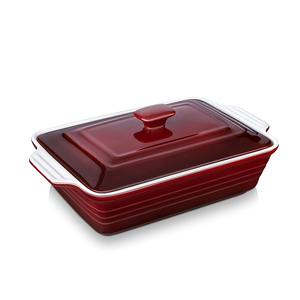
High-fired at 1280°C to achieve near-zero water absorption (<0.5%), extreme thermal shock resistance, and certified lead/cadmium-free compliance for professional food service and retail distribution.
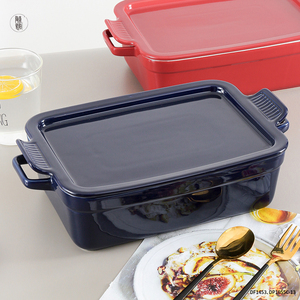
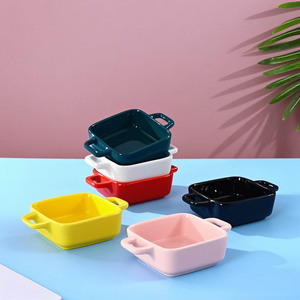
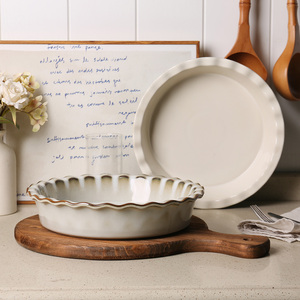
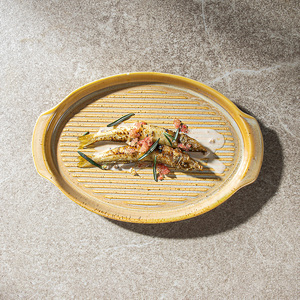
Analysis for procurement executives, hospitality buyers, and retail housewares importers navigating supply chain shifts, sustainability metrics, and material performance specifications.
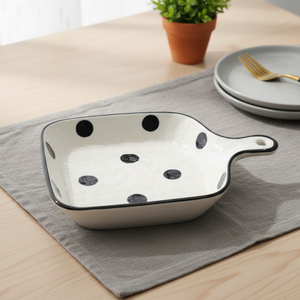
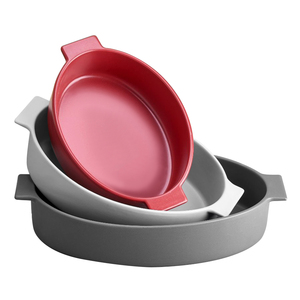
Modern commercial gastronomy is rapidly moving away from sterile high-gloss white porcelain toward organic reactive glazes and semi-matte textures. Importers are requesting specialized mineral glazes (incorporating rutile, iron oxide, and cobalt) that produce micro-variations during the 1300°C firing cycle. This gives each piece an artisanal handmade appearance while maintaining commercial-grade mechanical strength and edge-chip resistance.
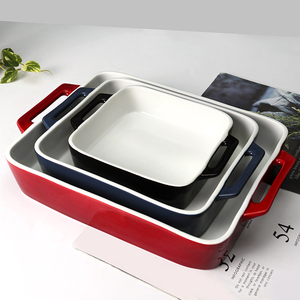
Consumer lifestyles and commercial prep kitchens demand versatile serveware capable of moving seamlessly from cold storage directly into convection ovens. Advanced Chinese OEM factories utilize spodumene-enriched stoneware clay bodies to lower the coefficient of thermal expansion (α < 3.5 × 10⁻⁶/K). This technical shift eliminates thermal cracking under sudden temperature differentials exceeding 220°C (428°F).
Global retail brands in North America and Western Europe are enforcing strict ESG procurement mandates. Leading Chinese ceramic suppliers are replacing traditional heavy-oil tunnel kilns with automated natural gas energy-recovery shuttle kilns. Furthermore, glazes are strictly engineered to be 100% lead-free, cadmium-free, and compliant with EU Directive 84/500/EEC and California Proposition 65.
Operating from an owned 10,000 square meter state-of-the-art facility with over 30 years of ceramic engineering experience, our manufacturing hub provides end-to-end production control—eliminating intermediary trading markups and ensuring strict quality consistency across multi-container shipments. Unlike trading companies that aggregate products from unverified family workshops, our fully integrated plant houses our own 3D prototyping shop, master mold workshop, chemical glaze laboratory, slip-casting units, pressure jiggering lines, and dual continuous kilns.
Every batch undergoes strict AQL 1.0 Major / 2.5 Minor visual inspections. We perform mandatory testing for water absorption (<0.5%), dishwasher abrasion resistance (up to 1,500 industrial cycles), microwave heat dissipation, and mechanical rim durability to withstand commercial handling.
We empower growing brands and boutique hospitality projects by offering flexible minimum order quantities. Importers can combine multiple shapes, glaze finishes, and colorways within a single 20ft or 40ft container to optimize ocean freight logistics and minimize inventory carrying costs.
Technical evaluation metrics for professional buyers selecting optimal ceramic substrates based on mechanical strength, thermal properties, and unit manufacturing economics.
| Technical Metric / Specification | Vitrified Stoneware (Our Standard) | Commercial Porcelain | Traditional Earthenware | Fine Bone China |
|---|---|---|---|---|
| Firing Temperature (°C) | 1250°C – 1300°C | 1300°C – 1400°C | 1000°C – 1150°C | 1200°C – 1250°C |
| Water Absorption Rate | < 0.5% (Non-Porous) | < 0.1% (Vitrified) | 3.0% – 10.0% (Porous) | < 0.3% |
| Thermal Shock Tolerance (ΔT) | Up to 220°C (High Spodumene) | Up to 160°C | Up to 110°C (Low) | Up to 140°C |
| Chip & Impact Resistance | Very High (Dense Body) | Extremely High | Low to Moderate | Moderate (Thin Wall) |
| Glaze Versatility | Matte, Reactive, Speckle, Satin | Predominantly Gloss White | Basic Low-Fire Glaze | Translucent Translucent Glaze |
| HoReCa Commercial Suitability | Ideal (Modern Aesthetic + Durable) | Classic High-Volume Standard | Not Recommended for Heavy Use | Fine Dining Only |
| Relative Unit Cost Index | Moderate – High ROI | Moderate to High | Economical / Low | Premium / Very High |
From initial CAD modeling and glaze chemistry matching to mass production kilns and drop-test certified retail packaging.
Client submits 2D technical drawings, physical benchmark samples, or Pantone/RAL color codes. Our engineers generate 3D CAD files accounting for clay shrinkage factors (11%-14%).
CNC machining creates precision plaster master molds. Trial prototypes are cast, glazed, and fired in our sample kiln within 15 to 25 working days for physical client sign-off.
Our in-house glaze chemists refine mineral recipes to achieve exact color tone, surface texture, micro-speckling, and chemical safety standards (FDA, LFGB, Prop 65).
Approved items enter high-volume production via automatic jiggering or hydraulic pressure casting, followed by continuous high-temperature firing in computer-controlled kilns.
100% visual checks for glaze pinholes, warping, and dimension tolerances. Random laboratory sampling for thermal shock, water absorption, and dishwasher endurance.
Custom packaging execution including inner drop-test approved mail-order boxes, branded backstamps, barcoding, palletization, and container loading for global export.
Direct answers regarding minimum order quantities, compliance certifications, tooling costs, lead times, and factory audit capabilities.
Our standard MOQ for custom OEM shapes or proprietary glaze formulations typically ranges from 1,000 to 3,000 pieces per shape/color, depending on item dimensions. However, for existing factory shapes with customized glaze choices or logo backstamps, we support low MOQs starting at 500 pieces per item. Furthermore, importers can mix multiple shapes within a consolidated 20-foot or 40-foot container load to maximize shipping efficiency.
Yes. All tableware and bakeware manufactured at our facility utilize 100% lead-free, cadmium-free glazes formulated to pass rigorous international standards including FDA 21 CFR 175.300, European Union Directive 84/500/EEC, German LFGB, and California Proposition 65. Our vitrified stoneware exhibits a water absorption rate under 0.5%, rendering it completely impervious to bacterial absorption, microwave heating, and commercial high-temperature dishwashers.
Once 2D/3D design artwork is finalized, physical plaster mold production and initial fired samples take between 15 to 25 working days. Following client approval of sample swatches and backstamps, mass container production generally requires 35 to 50 calendar days depending on production queue, glaze complexity, and order volume. Repeat production runs on existing master tooling benefit from reduced lead times of 30 to 35 days.
Glaze consistency is controlled through automated raw material batching and precise spectro-photometer color matching. Our glaze slurry undergo strict specific gravity and viscosity testing prior to application. Combined with automated natural gas shuttle kilns maintaining multi-zone temperature sensors within ±5°C tolerances, we guarantee minimal shade variation between initial sample approval and high-volume mass production runs.
Specifically engineered bakeware lines incorporate high percentages of spodumene and petalite minerals into the clay body. This specialized formulation significantly reduces thermal expansion coefficient, allowing items to withstand abrupt thermal shocks of up to 220°C (428°F) without cracking or crazing. Items can be safely transferred directly from cold refrigeration storage into heated convection ovens.
We offer turnkey packaging engineering including ISTA-1A drop-test certified e-commerce mail-order packaging, 4-color offset printed retail gift boxes, high-density EPE foam cradles, and heavy-duty corrugated outer cartons. All shipments are securely palletized using heat-treated ISPM-15 compliant wooden or plastic pallets, with full documentation provided for FOB, CIF, or DDP delivery to major ports in North America, Europe, Australia, and the Middle East.
Partner directly with China's leading vitrified stoneware and commercial porcelain manufacturer. Request factory-direct wholesale catalogs, technical datasheets, or custom OEM quotation today.