High-fired, oven-to-table cookware engineered for thermal shock resistance up to 250°C. Fully customizable in body clay formulation, custom reactive glazes, and private label branding.
An authoritative technical analysis for enterprise buyers, hospitality groups, and OEM brand directors evaluating custom pottery and high-fired stoneware manufacturing facilities.
Top-tier pottery factories utilize refined ball clay, kaolin, quartz, and feldspar. The balance of silica to alumina dictates mechanical strength, vitrification point, and moisture absorption rates. High-fired stoneware must achieve a water absorption rate under 0.5% to guarantee freeze-thaw and commercial dishwasher durability without risk of micro-crazing or structural fracture.
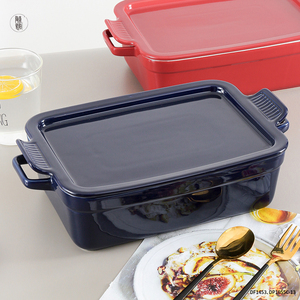
Oven-to-table cookware demands strict thermal expansion coefficient matching between the ceramic body and glaze matrix. Through precision additions of spodumene and petalite mineral compounds, premium custom ceramic baking dishes endure extreme thermal differentials (ΔT = 220°C to 250°C), preventing thermal fatigue during rapid temperature transitions from freezer to convection oven.
| Performance Parameter | Standard Commercial Earthenware | ARTWAY Commercial High-Fired Stoneware | Sourcing Specification Standard |
|---|---|---|---|
| Firing Temperature Range | 1000°C – 1150°C | 1280°C – 1320°C | ISO 6486 / Vitreous Firing Standard |
| Water Absorption Rate | 3.0% – 8.0% (Porous) | < 0.5% (Impermeable) | ASTM C373 Vitrification Compliance |
| Thermal Shock Tolerance (ΔT) | 120°C Differential | 220°C – 250°C Differential | BS EN 1183 Thermal Shock Test |
| Surface Hardness (Mohs Scale) | Mohs 4.5 – 5.0 | Mohs 6.5 – 7.0 (Scratch Resistant) | Commercial Cutlery Abrasion Test |
| Heavy Metal Migration | Variable / Requires Coating | 100% Lead-Free / Cadmium-Free | FDA CPG 7117.06 / EU Directive 84/500/EEC |
Every production batch subjected to automated AQL Level II (General Inspection) parameters. Glazes are formulated in-house with non-toxic frit compounds, guaranteeing compliance with California Proposition 65, LFGB (Germany), and FDA food contact regulations. Structural integrity is tested via 100-cycle commercial dishwasher simulation and drop-impact testing.
Integrating traditional artisanal pottery craft with scalable industrial automation to serve enterprise retail chains, e-commerce brands, and hotel suppliers.
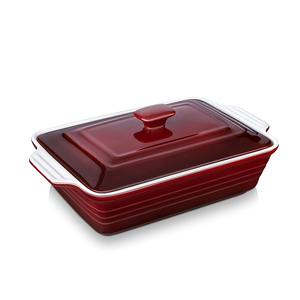
Rapid conversion of CAD files into physical plaster models within 7 to 10 days. In-house master mold workshop guarantees exact dimensional tolerances for lid-fitting casserole pans and stackable restaurant tableware.
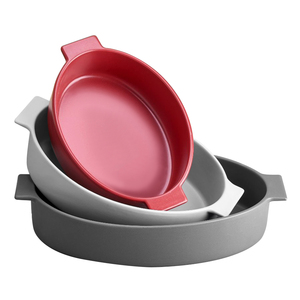
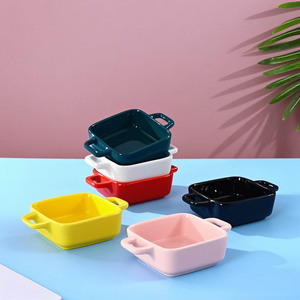
Our glaze laboratory maintains thousands of proprietary glaze recipes, including speckled, semi-matte au gratin finishes, dual-tone reactive glazes, and silk-touch tactile surfaces with consistent batch-to-batch color repeatability.
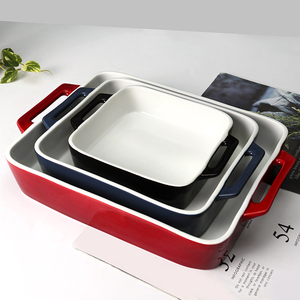
Support multi-SKU container loading to streamline inventory risk. Mix custom shapes, varied glaze colorways, and retail box configurations within single production runs to maximize shipping cube efficiency.
Global buyers are prioritizing eco-conscious manufacturing. Modern China pottery facilities are adopting zero-waste wastewater filtration units and re-milling greenware scraps back into body slip production, reducing carbon intensity per unit fired while maintaining structural strength.
With direct-to-consumer online sales surging, custom pottery factories must supply drop-test certified (ISTA 3A) transit packaging. Molded pulp trays, honeycomb cardboard liners, and reinforced double-wall cartons ensure zero-breakage rates during parcel shipping.
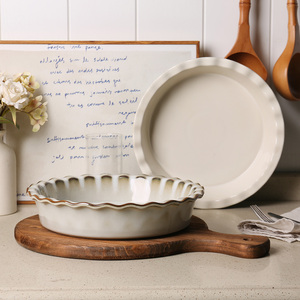
Commercial consumers demand hand-crafted aesthetic qualities—such as undulating rims, raw unglazed bases, and unpredictable crystallization patterns—with the strict stackability, uniform weight, and durability required by commercial kitchens.
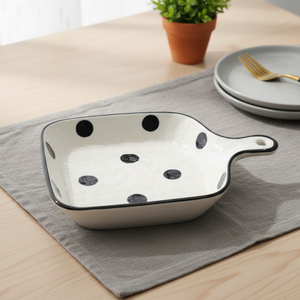
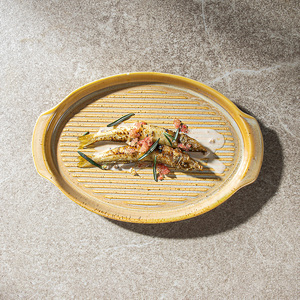
Versatile shapes serving multiple culinary purposes (e.g., baking dishes featuring ergonomic handles that double as elegant dining serveware platters) are outperforming single-use kitchen items in retail velocity.
Direct technical and commercial answers for international procurement managers and product designers.
Our standard MOQ for custom developed shapes starts at 1,000 to 2,000 pieces per item/glaze color, depending on overall physical size. For stock shapes utilizing custom reactive glazes or private label logo backstamps, initial orders can be accommodated from 500 pieces per SKU to support market launch testing.
The prototype sampling phase (including plaster mold creation, glaze formulation matching, and initial kiln firing) typically requires 15 to 25 calendar days. Upon sample sign-off and PO confirmation, mass production takes 35 to 50 days, depending on decoration complexity and kiln scheduling.
Safety is assured through body-glaze thermal matching fired above 1280°C. High vitrification prevents liquid absorption, ruling out thermal cracking when heated in microwave or convection ovens up to 250°C (482°F). Glazes are tested lead-free and cadmium-free using ICP-MS testing under international food contact standards.
Yes, full private labeling is supported. We offer underglaze backstamp printing, laser-engraved bottom logos, custom color gift boxes with foil stamping, barcode sticker application, and inner packaging designed to meet your specific retail or e-commerce delivery specs.
We operate primarily under FOB Shenzhen/Nansha/Ningbo or EXW/CIF terms. Our export department handles full customs documentation, Certificate of Origin (Form E/CO), Heavy Metal Testing Reports, and packing declarations for seamless port clearance in Europe, North America, Australia, and Asia.