Engineered for Commercial Durability, Thermal Shock Resistance, and High-Volume OEM Procurement
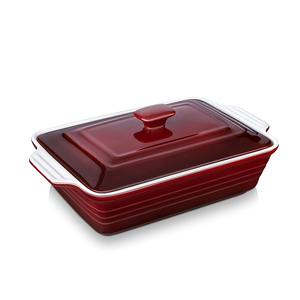
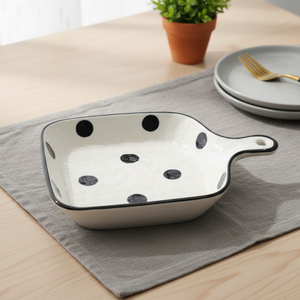
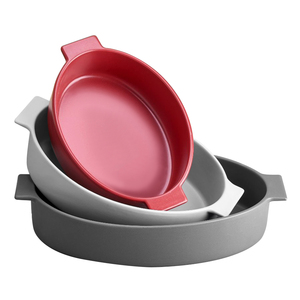
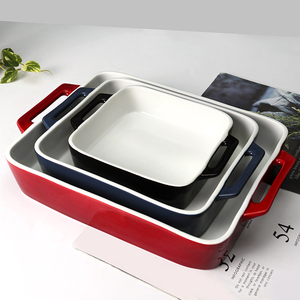
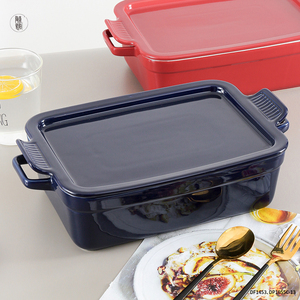
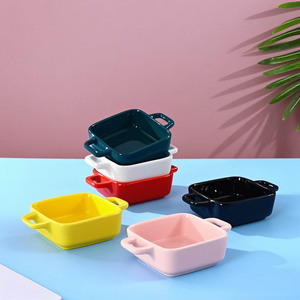
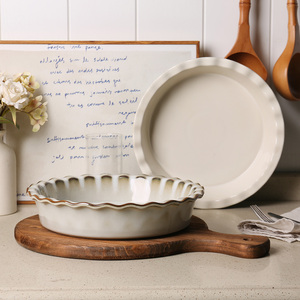
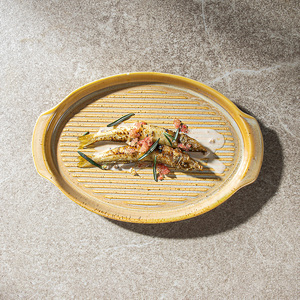
Combining 30+ Years of Ceramic Engineering Expertise with Modern Industrial Precision
We maintain an autonomous 3D CAD modeling and plaster mould prototyping lab. First physical ceramic samples are ready within 15 to 25 working days, ensuring zero third-party delay or IP leakage.
Our chemical engineers formulate custom reactive glazes, semi-matte silk glazes, and scratch-resistant gloss coatings that comply strictly with FDA CPG 7117.06/07 and EU Directive 84/500/EEC lead and cadmium migration standards.
Unlike rigid high-volume plants, our operational structure accommodates boutique brand requirements and hotel chains by offering low MOQs and allowing multiple SKU/glaze combinations within a single 20ft/40HQ container load.
The global commercial and retail dinnerware industry is undergoing a structural transformation driven by consumer demand for sustainable, non-toxic materials, tactile aesthetic designs, and high-performance thermal properties. Sourcing procurement directors and supply chain executives searching for **China Top Custom Dinnerware Factories & Suppliers** must navigate beyond simple pricing metrics to evaluate material engineering, vitrification temperatures, glaze chemical stability, and factory ESG compliance.
China remains the undisputed epicenter of global ceramic manufacturing, holding over 65% of global porcelain and stoneware export volume. However, modern procurement mandates require a deep technical understanding of regional manufacturing clusters (such as Chaozhou, Liling, Dehua, and Zibo), clay mineral compositions, and automated kiln firing dynamics.
E-E-A-T Procurement Benchmark: Premium commercial dinnerware requires a high-fired stoneware or porcelain body fired at temperatures between 1280°C and 1320°C, yielding a water absorption rate under 0.5%. This guarantees zero moisture retention, eliminating risks of micro-cracking, bacterial harboring, or sudden thermal shock failure in commercial tunnel dishwashers.
As retail brands, e-commerce direct-to-consumer platforms, and international hotel groups plan their multi-year procurement roadmaps, four key technological and design trends dominate the custom ceramic dinnerware landscape:
Leading Chinese factories are transitioning from conventional natural gas tunnel kilns to micro-processor-controlled electric hybrid kilns integrated with heat-recovery systems. Concurrently, green ceramic initiatives enforce 100% recycling of unfired greenware clay slurry and zero-wastewater discharge through closed-loop membrane filtration systems.
Uniform, plain white glazed dinnerware is increasingly yielding market share to organic, high-character reactive glazes. Through precise chemical oxidation and reduction cycles during the 1300°C firing phase, mineral oxides (such as iron oxide, cobalt, and titanium dioxide) produce natural color variations, speckled granite effects, and silky matte tactile textures—ensuring no two pieces are identical while maintaining 100% dishwasher abrasion resistance.
With space optimization becoming paramount in modern commercial kitchens, custom dinnerware engineering now emphasizes stackable geometry with reinforced rim rims. Computer-simulated finite element analysis (FEA) is applied to plate profiles to mitigate mechanical edge chipping by distributing stress forces evenly across the body perimeter.
High-end hotel chains and luxury event caterers are piloting stoneware embedded with high-temperature passive RFID microchips underneath the foot rim. This enables real-time inventory tracking, automated asset auditing, and instant POS billing in commercial banquet facilities.
Selecting the correct ceramic substrate is critical for matching product lifespan with operational intent. Below is an engineering comparison matrix used by OEM sourcing managers:
| Ceramic Material Category | Firing Temperature | Water Absorption | Thermal Shock (ΔT) | Impact Resistance | Primary Use Case |
|---|---|---|---|---|---|
| High-Alumina Stoneware | 1280°C – 1300°C | < 0.3% | 180°C to 220°C | Exceptional | Oven-to-Table Bakeware, Casseroles, Specialty Restaurants |
| New Bone China (Phosphate Reinforced) | 1250°C – 1280°C | < 0.1% | 140°C to 160°C | High Strength / Lightweight | Luxury Hotels, Fine Dining, Airlines |
| Durable Hard Porcelain | 1320°C – 1380°C | < 0.05% | 160°C to 200°C | Maximum Hardness | High-Volume Commercial Catering, Institutional Use |
| Earthenware (Low-Fired Ceramic) | 1000°C – 1150°C | 3.0% – 8.0% | < 100°C | Moderate / Fragile | Seasonal Decorative Tabletop, Low-Cost Retail |
A reputable Chinese custom dinnerware manufacturer enforces strict Quality Assurance (QA) protocols at every physical phase of manufacturing. From raw kaolin clay washing to final container loading, our facility adheres to the 5-stage ISO9001 quality gate standard:
Translating client vector artwork or physical reference samples into 3D CAD files accounting for 12%-14% ceramic shrinkage during firing.
Precision plaster master moulds are cast. Kaolin, feldspar, and quartz raw materials are ball-milled into homogenous liquid slip.
Automatic jiggering or pressure slip casting forms the greenware body, followed by a primary bisc firing at 850°C for structural stability.
Glazes are applied via precision robotic spraying or manual dipping, then high-fired at 1280°C+ to achieve complete vitrification.
100% visual checks for pinholes or glaze pops, followed by thermal shock cycle testing, microwave verification, and ISTA-1A drop packaging tests.
Our commitment to rigorous QA guarantees that every container shipped to North America, Europe, Australia, or the Middle East satisfies strict international standards including **FDA CPG 7117.06/07, LFGB Food Safety Regulations, California Proposition 65, and ISO 6486-1.**
Direct Technical Answers to Common Procurement, Customs, and Custom Manufacturing Inquiries
Unlike high-volume mass production factories requiring tens of thousands of pieces per SKU, our flexible manufacturing system supports low MOQs starting from 500 to 1,000 pieces per custom shape and glaze color. Existing factory moulds can be combined in smaller quantities to reach an economical 20ft container load.
Once 3D CAD drawings are approved, physical plaster moulds and fired prototype samples are delivered within 15 to 25 working days. Full mass production typically takes 35 to 50 calendar days depending on glaze complexity, decoration techniques (e.g., decal printing, hand painting), and total order volume.
Yes. Our high-alumina stoneware bodies are fired at temperatures above 1280°C, achieving vitrification with water absorption rates <0.5%. They withstand rapid thermal shock differentials (ΔT up to 180°C–220°C), making them safe for oven baking up to 260°C (500°F), microwave heating, commercial dishwashing, and deep freezing.
All our glazes and ceramic raw materials are 100% lead-free and cadmium-free. We supply batch-specific test reports certified by third-party laboratories such as SGS, TÜV, or Intertek, confirming compliance with US FDA, European LFGB, DGCCRF (France), and California Proposition 65 requirements prior to shipment.
Absolutly. We offer full private label branding services including custom backstamps (engraved or decal), color gift packaging, cardboard display boxes, molded EPE foam protective packaging, and ISTA-3A/6-AMAZON.COM compliant mail-order packaging designed to prevent transit breakage.
We routinely ship under FOB (Bangkok / Shenzhen / Ningbo / Qingdao), CIF, CFR, and EXW terms. For boutique retailers or Amazon FBA sellers requiring hassle-free delivery, we also provide DDP (Delivered Duty Paid) service including customs clearance, duty payment, and final truck delivery directly to your destination warehouse.