Precision-molded, high-fired stoneware & porcelain vessels manufactured under international food-grade and decorative safety compliance.
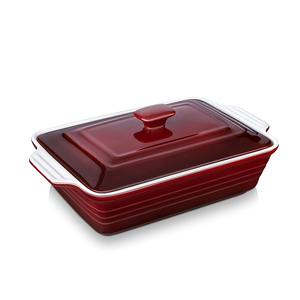
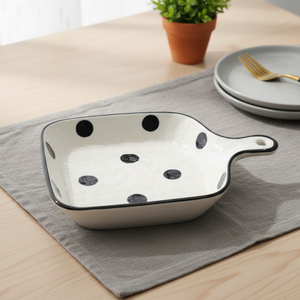
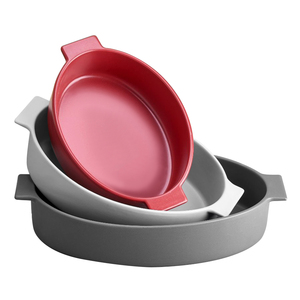
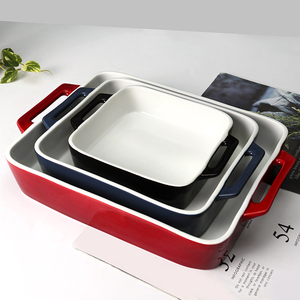
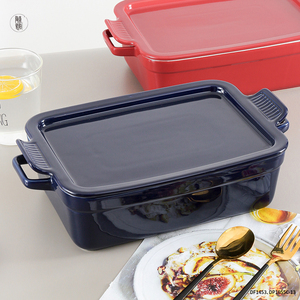
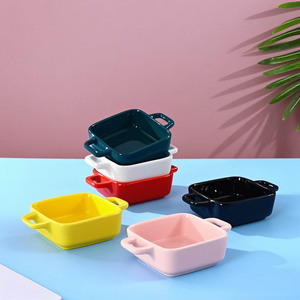
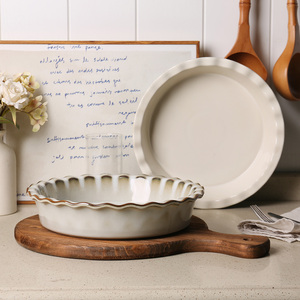
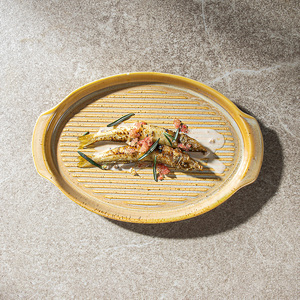
The global demand for high-grade ceramic vases, decorative vessel systems, and multi-functional stoneware home decor has evolved drastically over the past five years. International buyers—ranging from high-end retail chains in North America and Western Europe to luxury boutique hotels and interior design firms—no longer seek simple volume production. Modern procurement requires precise material engineering, strict adherence to non-toxic glazing standards (lead-free, cadmium-free), low moisture absorption coefficients, and flexible OEM/ODM manufacturing workflows.
China remains the undisputed epicenter of global ceramic and stoneware manufacturing, supported by interconnected industrial clusters in Chaozhou, Jingdezhen, Liling, and strategic Southeast Asian export extensions like Thailand. However, selecting the right supplier among thousands of listed trade companies and agents presents significant operational risks. Sourcing directors must distinguish between asset-light trading intermediaries and true tier-1 original equipment manufacturers (OEMs) capable of managing raw clay refinement, in-house plaster mold engineering, high-temperature tunnel kiln firing (1250°C to 1320°C), and automated quality inspection under one roof.
Established since 1993 with over 30 years of specialized manufacturing experience, our production infrastructure operates across a 10,000-square-meter facility staffed by over 200 skilled ceramic artisans and chemical engineers. Utilizing high-density kaolin clay mixes, slip casting, automated jiggering, and high-pressure casting techniques, our factory yields over 5 million pieces annually. Every batch is rigorously monitored to meet FDA food-contact standards, EU Directive 84/500/EEC, California Proposition 65, and ISO9001 quality management benchmarks.
For B2B procurement managers, specifying the correct clay body is the most critical technical decision determining product durability, shipping breakage rates, and retail price positioning. Below is an authoritative technical breakdown of body materials used in commercial vase and vessel production:
Fired between 1250°C and 1280°C, stoneware features a vitrified or semi-vitrified dense body with water absorption rates strictly below 0.5% to 1.5%. Stoneware exhibits superior mechanical strength, high thermal shock resistance (ΔT 200°C), and exceptional structural rigidity for large-scale floor vases and heavy-duty decorative planters. Ideal for reactive glaze applications where metal oxides create unique organic textures.
Fired at temperatures exceeding 1300°C, porcelain is crafted from pure refined kaolin, feldspar, and quartz. It exhibits near-zero porosity (<0.1% water absorption), high translucency when cast thin, and immense surface hardness (Mohs scale 6–7). Preferred for luxury minimalist vases, intricate geometric tabletop vessels, and high-precision hospitality decorative installations requiring absolute non-porous performance.
| Performance Parameter | High-Fired Stoneware | Hard Fine Porcelain | Commercial Earthenware (Low Tier) |
|---|---|---|---|
| Firing Temperature Range | 1240°C – 1280°C | 1300°C – 1350°C | 1000°C – 1150°C |
| Body Water Absorption | < 0.5% – 1.0% (Vitrified) | < 0.1% (Fully Vitrified) | 5.0% – 12.0% (Porous) |
| Thermal Shock Tolerance (ΔT) | Up to 220°C Crack Resistance | Up to 180°C Resistance | < 110°C (High Crazing Risk) |
| Glaze Abrasion Resistance | Excellent (High Silica Glaze) | Superior Hardness | Moderate / Prone to Scratching |
| Commercial Application | Vases, Bakeware, Serveware | Luxury Home Decor, Hospitality | Low-Cost Seasonal Trinkets |
*Note: ARTWAY ceramic manufacturing facilities exclusively utilize High-Fired Stoneware and Fine Porcelain formulations, eliminating porous earthenware risks such as glaze crazing, moisture seepage, and transit cracking.
Sourcing directors planning 12 to 24 months ahead must align product development with emerging consumer preferences and interior architecture trends. Our design laboratory in collaboration with European trend consultants highlights three dominant shifts transforming the wholesale vase and decorative ceramic landscape:
Smooth glossy surfaces are increasingly giving way to tactile, unglazed exterior clay textures combined with glazed interiors. Micro-sand, lava speckle, satin-matte stone finishes, and ribbed fluting give ceramics a hand-sculpted, artisan warmth that complements modern organic interior themes.
Commercial buyers are demanding modular ceramic items. High-fired vessels are designed to transition seamlessly from thermal oven-safe casseroles or serving dishes to standalone sculptural centerpiece vases, floral vessels, or luxury bathroom accessory holders, maximizing inventory SKU turnover.
Successful OEM ceramic programs depend on predictable execution from initial 3D design to bulk packaging. Our internal workflow eliminates common sourcing bottlenecks through four core operational pillars:
Our in-house master mold workshop transforms CAD drawings or reference samples into 3D plaster models and working case molds in 15 to 25 working days. This dramatically shortens new product introduction (NPI) cycles compared to factories that contract out mold making.
Our ceramic chemists formulate over 1,200 custom glaze recipes—including reactive metallic, matte pastel, micro-crackle, semi-matte au gratin, and glossy crystalline glazes. All raw glaze materials are lead-free and cadmium-free, tested periodically by SGS and TÜV.
Unlike mass-market factories demanding 5,000+ pieces per shape, we accommodate growing brands with flexible MOQs starting at 500–1,000 pieces per glaze variant. Importers can combine multiple vase shapes, bakeware lines, and tableware SKUs into a single FCL container.
Ceramic shipping breakage represents a direct hit to retail margins. We engineer custom drop-test-proven packaging—including 5-ply corrugated master cartons, high-density molded EPE foam shells, and individual mail-order gift boxes engineered to pass ISTA 3A protocols.
Heavy and fragile items like ceramic vases and stoneware bakeware require careful dimensional weight calculations to optimize freight efficiency. Our export team utilizes 3D pallet-loading software to maximize container volume utilization (CBM) while maintaining structural safety margins:
| Container Specification | Standard Master Carton Volume | Max Pallet Configuration | Estimated Net Pieces / FCL |
|---|---|---|---|
| 20ft Dry Container (28 CBM) | 0.035 CBM per Carton (6 pcs) | 10 Standard Pallets (1200x1000mm) | approx. 3,800 – 4,500 pcs |
| 40ft High Cube (68 CBM) | 0.035 CBM per Carton (6 pcs) | 22 Standard Pallets | approx. 9,500 – 11,200 pcs |
FOB Port Departure Options: Shanghai, Ningbo, Shenzhen, or Laem Chabang / Bangkok (Thailand Facility). Full container shipping protection includes fumigated wooden pallets, corner paperboard edge protectors, and moisture-absorbing silica gel packs.
Below are clear, direct answers to common procurement questions asked by wholesale buyers, importers, and brand managers:
Partner directly with an established ceramic manufacturer. Request a catalog, discuss custom OEM mold development, or receive a quick FOB price quotation within 24 hours.
Contact Us