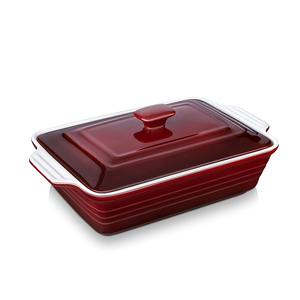
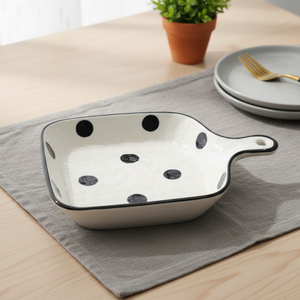
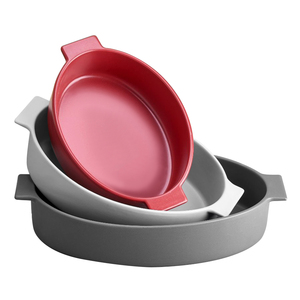
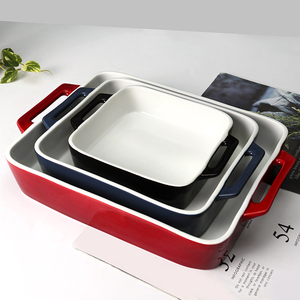
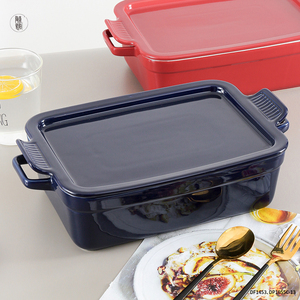
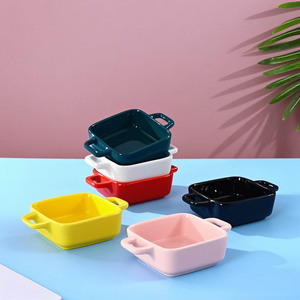
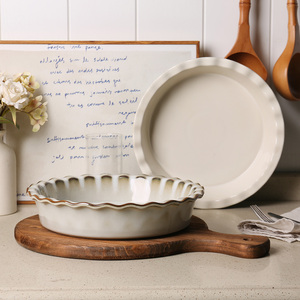
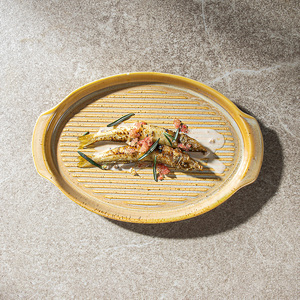
In global B2B procurement, sourcing ceramic drinkware, mugs, and thermal bakeware requires navigating precise technical parameters, regulatory compliance, and supply chain stability. As a premier manufacturer and exporter operating from Samut Sakhon, Thailand, ARTWAY Company Limited has spearheaded precision ceramic engineering since 1993. Backed by a registered capital of 30 million baht and a fully integrated 10,000 square meter industrial plant, our operation addresses the core requirements of global importers, retail chains, and hospitality procurement directors.
Unlike third-party trading companies that broker orders through fragmented subcontractors, our facility houses an in-house mould modeling studio, chemical glaze laboratory, precision slip-casting/jiggering workshops, continuous tunnel kilns, and packaging lines under one centralized management system. This vertical integration guarantees complete traceability of raw material slurries, strict control over thermal expansion coefficients, and batch-to-batch color stability—critical for enterprise clients maintaining long-term SKU consistency.
| Technical Parameter | Stoneware Specification (High-Fired) | B2B Quality Control Metric |
|---|---|---|
| Body Composition | Refractory Ball Clay, Kaolin, Quartz, and Feldspar | Formulated for dense vitrification and mechanical strength |
| Firing Temperature | 1,250°C to 1,280°C (Bisque + Glaze Dual Firing) | Zero porosity phase transition, micro-structural integrity |
| Water Absorption | < 0.5% (Impermeable Body Structure) | Exceeds BS EN 1217 standard for commercial dinnerware |
| Glaze Safety & Chemistry | 100% Lead-Free & Cadmium-Free Fritted Glazes | Fully compliant with EU Directive 84/500/EEC & 2005/31/EC |
| Thermal Shock Resistance | ΔT = 200°C to 20°C Rapid Quench (No Crazing/Cracking) | Oven-to-Table, Freezer, and Microwave Safe Certification |
| Dishwasher Abrasion | 500+ Cycles Commercial Alkaline Wash Resistance | ASTM C656 Surface Hardness Glaze Retain Grade A |
| Export Logistics Terms | FOB / CIF / EXW (Ports: Bangkok / Laem Chabang) | Drop-test certified ISTA-1A master carton packing |
Importers across Europe and North America are actively mitigating supply chain bottlenecks and geopolitical tariff exposure by transferring OEM production to Thailand. Taking advantage of favorable trade agreements and established ceramic manufacturing hubs, buyers secure tariff-optimized, high-capacity supply lines without compromising technical quality.
Consumer preference has shifted from standard mono-color high-gloss glazes to reactive satin-matte finishes, speckled earth tones, and tactile dual-texture bodies. Our internal glaze formulation laboratory uses natural mineral oxides to create repeatable reactive glaze effects that maintain batch uniformity across large-scale commercial runs.
Regulatory scrutiny around heavy-metal leaching (Lead, Cadmium, Cobalt) in food-contact items has intensified under EU Regulation (EC) No 1935/2004 and US California Proposition 65. Simultaneously, the rise of e-commerce requires factory-level packaging designed to survive parcel freight environments without excessive plastic waste.
Every OEM project begins with 3D mechanical rendering and precision plaster master mould carving. We calculate volumetric shrinkage (typically 10-14% during high firing) to ensure that finished mugs, casserole pans, and bakeware dishes match exact dimensions, fluid capacity requirements, and lid-fitting tolerances within 15–25 working days.
Utilizing gas-fired shuttle and continuous tunnel kilns, temperature profiles are monitored in real time. Following firing, all goods undergo AQL Level II inspection for pinholes, iron spot anomalies, base flatness, handle attachment tensile strength, and glaze thickness before final master carton packing.
For ceramic drinkware and kitchenware exported to the European Economic Area (EEA), CE and EU compliance centers on food contact safety governed by Regulation (EC) No 1935/2004, Directive 84/500/EEC, and Directive 2005/31/EC. These standards enforce strict upper limits on lead and cadmium extraction when tested under 4% acetic acid immersion for 24 hours at 22°C. ARTWAY products undergo certified laboratory testing to guarantee full food contact safety compliance prior to shipment.
Compared to high-volume standard factories that demand 5,000+ units per item, our production line offers flexible commercial terms. OEM orders generally start from a few hundred pieces per custom shape or specialized glaze formulation. Existing factory moulds can be mixed within a consolidated container load (20ft/40ft HQ), making custom product lines accessible for boutique brands and hospitality projects.
High-fired stoneware is vitrified at temperatures between 1,250°C and 1,280°C, causing the clay body to fuse into a dense, glass-like structure with less than 0.5% water absorption. Earthenware, fired at lower temperatures (~1,000°C), remains porous and prone to chipping, thermal cracking, and moisture absorption. Stoneware offers superior mechanical durability, chip resistance, and thermal shock tolerance suitable for heavy commercial use.
Following CAD or 2D technical drawing sign-off, plaster modeling, prototype casting, glaze sampling, and first fired samples take 15 to 25 working days. Once golden samples are approved, full-scale mass production usually takes 35 to 50 days, depending on decorative complexity (e.g., reactive glazes, multi-color decals, relief stamping) and order volume.
Yes. Our in-house chemical glaze laboratory develops custom glazes based on Pantone references, physical color swatches, or original sample pieces. We engineer matte, semi-matte, high-gloss, speckled, crackle, and multi-tone reactive glazes, performing thermal cycle testing on all custom formulations to ensure long-term stability.
We use export packaging tailored to the final distribution channel. Retail orders feature custom-designed 4-color gift boxes with high-density EPE foam or corrugated dividers. Bulk orders utilize heavy-duty 5-ply inner boxes and 7-ply master cartons packed on wooden pallets, wrapped in stretch film, and strapped. All packaging options undergo drop testing to ISTA standards.
Yes. Our high-fired stoneware bodies and non-porous glazes are resistant to thermal expansion and moisture absorption. Mugs, baking dishes, and serveware withstand temperatures up to 250°C (482°F) and are resistant to thermal shock, making them suitable for commercial dishwashers, microwave heating, convection ovens, and rapid freezer storage.
Branding can be incorporated through multiple methods: engraved or relief backstamps molded directly into the ceramic base prior to bisque firing; high-temperature ceramic decal prints fired at 780°C for wear-resistant dishwasher durability; glaze masking; and customized exterior packaging with printed barcodes and artwork.
Consult with our engineering and sales export managers to start developing your custom ceramic mug collection, bakeware line, or hospitality tableware project today.