Engineered for extreme thermal stability, zero glaze crazing, and international food contact compliance. Directly available for global export and custom white-label production.
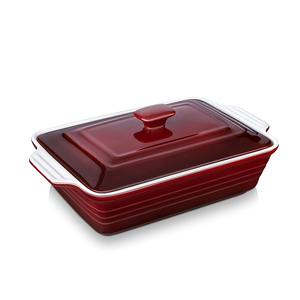
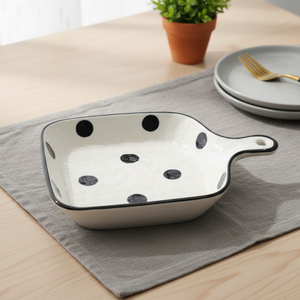
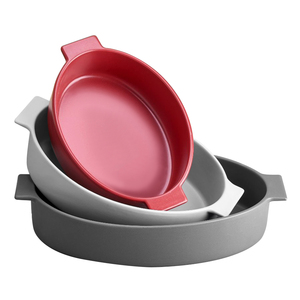
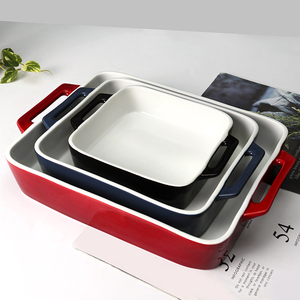
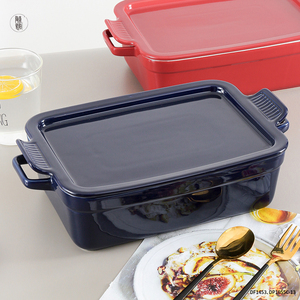
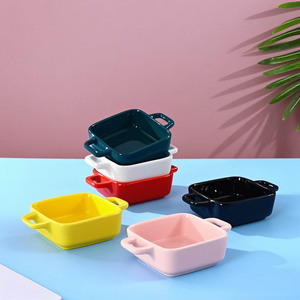
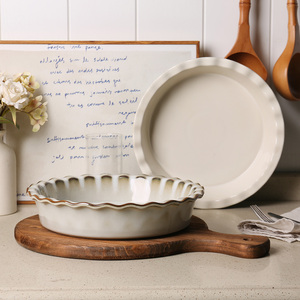
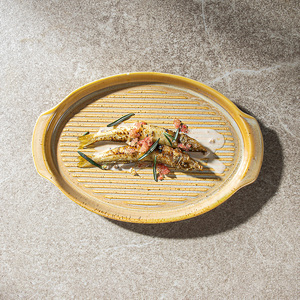
In the global hospitality and retail ceramic sectors, selecting an export-ready tableware manufacturer requires rigorous verification of material composition, chemical safety, and thermal endurance. Operating from Samut Sakhon, Thailand, our integrated production facility (ARTWAY Company Limited) has served international brand owners, commercial importers, and hospitality chains since 1993 with a registered capital of 30 million Baht.
Unlike trading intermediaries, our 10,000 square meter plant incorporates complete in-house control over the entire stoneware value chain—ranging from raw clay refinement, plaster model carving, and proprietary glaze formulation to tunnel kiln vitrification at temperatures exceeding 1250°C to 1280°C.
CE marking and EU compliance for food-contact ceramic articles require strict adherence to Directive 84/500/EEC, as amended by 2005/31/EC, and Regulation (EC) No 1935/2004. Our high-fired stoneware undergoes rigorous Inductively Coupled Plasma (ICP) spectroscopy testing to ensure Lead (Pb) release levels remain below 0.1 mg/dm² and Cadmium (Cd) below 0.01 mg/dm², ensuring total safety for residential and commercial culinary environments.
Our engineering team utilizes non-toxic, cadmium-free frit glazes specifically formulated to match the thermal expansion coefficient of the dense stoneware body. This precise physical alignment prevents common post-production failures such as glaze crazing, pinholing, or micro-cracking during rapid thermal transitions.
Structured quality management systems guaranteeing batch-to-batch consistency and seamless supply chain integration.
Fully compliant with EU REACH standards, California Proposition 65, and US FDA 21 CFR 175.300. Laboratory testing reports are issued per batch by accredited third parties (SGS, TUV, Bureau Veritas).
In-house glaze laboratory offering semi-matte, high-gloss, reactive speckle, tactile relief, and custom Pantone/RAL color matching tailored to brand identity specifications.
Optimized production schedules accommodating medium-to-large runs. Flexible order structuring enables volume consolidation of varied tableware shapes within single container loads.
Objective physical performance benchmarking for B2B procurement managers evaluating long-term hospitality lifetime values.
| Performance Property | Low-Fired Earthenware | Commercial Porcelain | ARTWAY High-Fired Stoneware |
|---|---|---|---|
| Firing Temperature Range | 900°C – 1050°C | 1300°C – 1400°C | 1250°C – 1280°C |
| Water Absorption Rate | > 5.0% (Porous) | < 0.2% (Vitrified) | < 0.5% (Fully Dense) |
| Thermal Shock Tolerance (ΔT) | 120°C (High Fracture Risk) | 160°C (Moderate) | Up to 220°C (Superior Bake-Safe) |
| Edge Chipping Resistance | Low | High (Brittle) | Exceptional Impact Elasticity |
| Lead & Cadmium Leaching | Requires Frequent Monitoring | Negligible | Zero Detectable (CE / REACH Pass) |
| Aesthetic Versatility | Limited Color Stability | Predominantly White/Monochrome | Rich Reactive Glazes & Custom Textures |
Modern commercial food service and residential dining spaces are increasingly discarding single-use presentationware in favor of multi-functional stoneware dishes. Driven by labor-saving requirements in restaurant kitchens and consumer demand for streamlined home cookware, dishes designed for baking, roasting, serving, and storage within a single vessel are capturing significant market share. OEM stoneware bakeware featuring ergonomic handles and dual-purpose platter lids (as demonstrated in our product catalog) exemplifies this market evolution.
The global tabletop market has shifted decisively away from stark, industrial white porcelain toward organic, handcrafted visual narratives. Retail buyers and restaurant groups actively seek reactive glazes, speckled stone finishes, and semi-matte tactile surfaces. Advanced glaze chemistry now allows automated industrial kilns to reproduce unique, hand-painted glaze variations while preserving strict dimensional tolerances necessary for commercial dishwasher racking and space-saving vertical stackability.
International procurement executives are aggressively restructuring ceramic supply chains to mitigate tariff volatility, geopolitical bottlenecks, and anti-dumping duties. Thailand has emerged as the premier manufacturing hub in Southeast Asia due to its abundant high-purity kaolin deposits, skilled ceramic artisan workforce, robust export infrastructure (Bangkok & Laem Chabang ports), and favorable trade status with European, North American, and Australian markets.
Future-ready ceramic factories are prioritizing energy-efficient kiln operations and closed-loop waste reduction. Modern tunnel kilns utilizing heat-recovery loops significantly reduce natural gas consumption per unit output. Additionally, green-state clay trimmings and filtered ceramic sludge are recycled back into body preparation slurries, minimizing raw material waste while upholding sustainability metrics required by ESG-conscious enterprise buyers.
E-commerce brand expansion and boutique hospitality concepts require shorter product lifecycles and smaller initial batch production. Factory agility—characterized by low minimum order quantities per glaze variant and 3D digital model verification—is replacing traditional multi-container minimum requirements, allowing brands to test market demand prior to committing to mass volume capital expenditure.
Detailed operational responses to key technical, regulatory, and commercial sourcing inquiries.
Direct factory pricing, complete CE/EU compliance documentation, and dedicated OEM export support. Request our complete wholesale product catalog and technical specification binder today.
Get Catalog