Choosing Decorative Ceramic Home Decor is not simply a styling exercise. It is a practical decision about scale, texture, safety, and daily use. A glossy blue vase can brighten a quiet shelf, while a rough terracotta bowl can add warmth beside pale linen. The right piece should feel intentional, not crowded.
Market data shows strong interest in home decoration. Grand View Research valued the global home décor market at approximately USD 681.5 billion in 2022. It also projected continued growth through 2030. Fortune Business Insights reported that the global ceramic tableware market reached USD 10.72 billion in 2023. These figures do not measure decorative ceramics alone. However, they reveal wider consumer demand for attractive, durable household objects. Reports can indicate direction, not personal suitability.
Interior designer Jonathan Adler once said, “Your home should rise up to greet you.” That idea fits ceramic selection well. A handmade planter should welcome attention without blocking a window. A sculptural plate should complement nearby colors without competing with artwork. Look for balanced proportions, stable bases, smooth finishes, and care instructions. Check whether glazes are suitable for the intended use. Some pieces are decorative only.
Experience also matters. Hold the object, if possible. View it under daylight and evening light. Notice fingerprints, uneven edges, or small firing marks. These details may add character, but they can also signal weak craftsmanship. There is no perfect formula. A carefully chosen imperfect piece may suit your room better than an expensive, flawless object. The following guide explores materials, color, placement, quality, and responsible buying decisions.
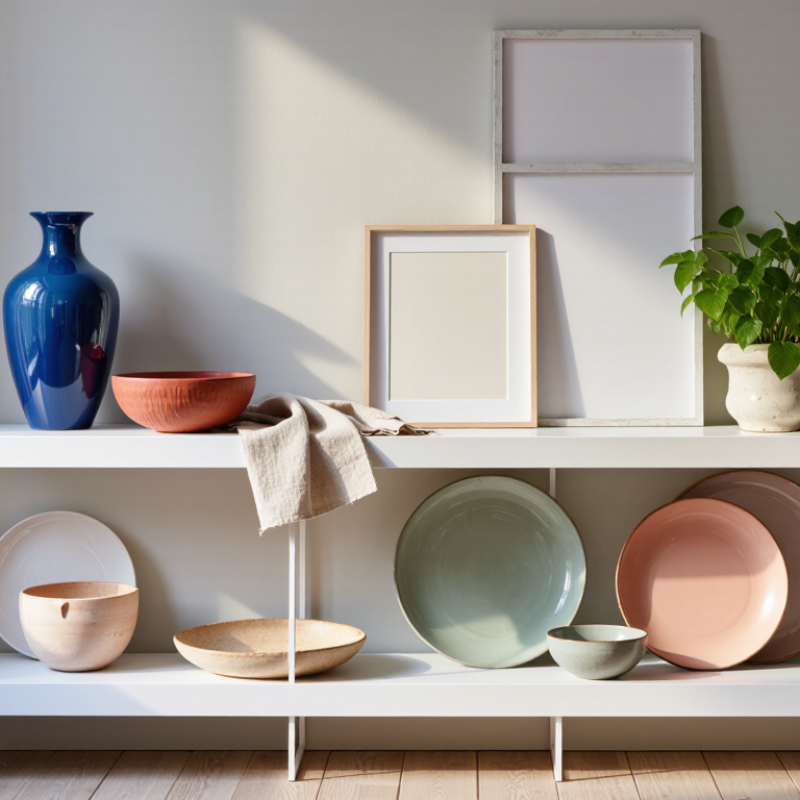
Start by defining your home’s visual language. Is it calm and minimal, warm and rustic, or colorful and collected? Ceramic pieces should support that feeling, not compete with it. I once chose a glossy sculpture for a quiet room, and its shine felt distracting. That mistake taught me to study the room before shopping.
Measure the available space carefully. A wide console needs a balanced arrangement, while a narrow shelf suits slimmer forms. Leave breathing room around each object. In small rooms, one tall ceramic vase may create more impact than several small ornaments. Check the viewing height, nearby furniture, and natural light. Matte surfaces soften bright areas, while glazed finishes reflect light and add energy.
Define the decorative need before choosing a shape. A bowl can hold keys, a vase can frame dried branches, and a sculptural piece can fill an empty corner. Consider texture, color, weight, and maintenance. Handmade ceramics often show slight variations, which can add character and also make matching difficult. Inspect the base for stability, especially in busy homes. I prefer pieces that feel useful, but that preference is not universal. Some objects simply create a pause in the room. Choose fewer pieces when the space already feels visually busy.
Choosing decorative ceramic home decor starts with its body, finish, shape, and making process. Earthenware feels warm and porous, while stoneware offers stronger daily performance. Porcelain is denser and usually more water-resistant. Mordor Intelligence’s 2024 Ceramic Tiles Market report estimates the global market at about USD 94 billion, showing ceramics remain a major interior material.
Finish changes the emotional temperature of a room. A matte surface softens daylight and hides fingerprints. Glossy glaze reflects light but reveals dust and uneven walls. Crackle glaze adds character, yet its fine lines may collect dirt. Look closely at the rim, base, and glaze transitions. These details often reveal better control than decoration alone.
Shape should support the room, not compete with it. A rounded vase beside a square shelf creates useful contrast. Tall forms suit narrow consoles, while low bowls work better on coffee tables. Hand-thrown pieces show subtle asymmetry; slip-cast forms usually look cleaner and more consistent. ISO 13006 separates ceramic products by water absorption, but decorative objects need practical judgment too. I once chose a beautiful porous planter without a liner. It stained the wood. A small mistake. Consider firing temperature, glazing method, and intended placement before buying. Handmade does not always mean stronger, and perfect symmetry does not always mean better craftsmanship.
Decorative ceramic pieces can connect a room’s colors, patterns, and textures. The best choices support your existing interior rather than compete with it.
When I style a room, I study the largest surfaces first, such as walls, rugs, curtains, and sofas. Warm ivory walls suit sand, terracotta, and muted olive ceramics. Cool gray rooms often welcome blue, white, charcoal, or soft green.
Hold ceramic samples beside your furniture in natural daylight. Artificial light can change their appearance. I once chose a beautiful yellow vase that looked harsh beside my beige sofa.
Patterns need a clear relationship with the room. If your rug has bold geometric shapes, choose ceramics with quieter lines or simple painted details. A patterned bowl can repeat one small color from nearby cushions. This creates connection without making the room feel rehearsed.
Avoid matching every object exactly. It can look flat. Scale matters too. Place a large textured vessel beside smaller, smoother pieces.
Matte clay, glossy glaze, and lightly ridged surfaces create useful contrast.
Arrange ceramics with breathing room. On a shelf, leave space between groups and vary their heights. A low bowl can balance a tall vase near a framed print. Keep heavier pieces on stable surfaces, especially in busy areas.
I prefer slight imperfection, such as uneven edges or handmade marks, because they add warmth. Still, too many competing finishes can create visual noise.
Step back often. The arrangement may need changing after you live with it.
Choosing decorative ceramic home decor starts with scale. Measure the shelf, table, and walking space before buying. A large vase can dominate a narrow console, while tiny figures disappear on a deep bookcase. Leave clear space around each piece. This improves balance and reduces accidental contact. Placement also affects light, dust, and daily use. A glossy white bowl near a window may reveal fingerprints quickly. I sometimes prioritize appearance too much, then regret the cleaning work.
Function matters, even for decorative objects. Use a ceramic tray for keys, but avoid placing heavy items on thin edges. Check the base for flatness, felt protection, and visible cracks. ISO 10545-3 testing measures ceramic water absorption, which helps indicate porosity and durability. Lower absorption usually supports better resistance to moisture, though it does not guarantee impact resistance. The U.S. Consumer Product Safety Commission’s 2023 furniture tip-over report estimated about 22,000 related injuries annually from 2018 to 2020. Keep heavy ceramics low, and avoid unstable shelves, especially in homes with children or pets.
Tips: Test the piece in its final location for one day. Check morning and evening light. Lift it carefully before cleaning. For food-contact use, confirm the maker provides safety information for glazes. A beautiful object is not automatically practical. Surface damage can appear later, and that possibility deserves attention.
Compare each decor format across size, placement, function, durability, and safety. Scores use a practical 1–5 scale, where 5 indicates the strongest suitability for typical home use.
Small tabletop pieces are usually easiest to place safely, medium centerpieces offer the best balance of function and visual impact, and large floor sculptures require more space and careful positioning to reduce tipping or obstruction risks. Always check the product’s dimensions, weight, finish, stability, and care instructions before purchase.
Choosing decorative ceramic home decor requires more than matching colors. In my experience, quality begins with the material and finishing process. Lift the piece and notice its weight, balance, and stability. Run your fingers along the rim and base. They should feel smooth, without sharp chips or rough cracks. A consistent glaze often suggests careful production, but small irregularities can show genuine handmade character. I once rejected a slightly uneven vase, then regretted it because its texture made the room feel warmer. Perfect is not always better.
Care requirements should match your daily routine. Dust-catching textures need frequent cleaning, while smooth glazed surfaces usually wipe clean with a soft, damp cloth. For busy rooms, choose sturdy pieces with wide bases. Keep delicate ceramics away from crowded shelves and direct temperature changes. Never assume every ceramic item is waterproof. Some porous finishes may absorb stains or moisture.
Compare the long-term cost, not only the shelf price. A cheap ornament may need replacement after one fall, while a well-fired piece can remain useful for years. Sustainable options include durable ceramics, recycled clay content, and responsible local production. Ask how the material was made and how the item can be disposed of later. “Eco-friendly” alone proves little. I cannot verify every environmental claim, so I prefer clear information over attractive wording. That uncertainty matters.
Earthenware feels warm and porous. Stoneware usually handles daily use better, while porcelain is denser and more water-resistant. Check the intended use.
Matte finishes soften daylight and hide fingerprints. Glossy glaze reflects light but shows dust. Crackle lines may collect dirt. Not ideal everywhere.
Match the shape to the surface. Tall vases suit narrow consoles, while low bowls work well on coffee tables. A rounded vase can soften a square shelf.
Compare pieces with your walls, rugs, and furniture in natural daylight. Repeat one small color from nearby cushions. Avoid matching every object exactly; it can feel flat.
Check the weight, balance, rim, and base. They should feel stable and free from sharp chips. Small handmade irregularities can add warmth. Perfect is not always better.
Smooth glazed surfaces usually wipe clean with a soft, damp cloth. Textured pieces may need more frequent dusting. Never assume every ceramic item is waterproof.
Use stable surfaces and keep delicate pieces away from crowded shelves. Consider moisture and temperature changes. I once used a porous planter without a liner. A small mistake.
Consider durability, materials, and production details alongside the shelf price. Ask about recycled clay or local production. “Eco-friendly” alone proves little, and claims can be hard to verify.
Choosing Decorative Ceramic Home Decor begins with understanding your home’s style, available space, and practical decorating needs. Consider whether your interior is modern, rustic, classic, or eclectic, then explore ceramic pieces in different forms, such as glazed, matte, textured, hand-shaped, or molded designs. The right combination of shapes, colors, patterns, and surfaces should complement your existing furniture, wall tones, lighting, and other decorative elements rather than compete with them.
Before purchasing, evaluate each item’s size, placement, purpose, stability, durability, and safety. A decorative vase, bowl, sculpture, or wall piece should fit comfortably within its setting and be suitable for the people and activities in your home. Compare craftsmanship, finish quality, cleaning requirements, price, and long-term value. You may also consider responsibly produced ceramics, locally made options, recycled materials, and durable designs that reduce unnecessary replacement. With thoughtful selection, ceramic decor can add personality, warmth, texture, and lasting visual interest to any living space.