0%

Choosing Hospitality Stoneware Dinnerware is more than matching plates to a restaurant’s color palette. It affects guest impressions, service speed, cleaning routines, and replacement costs. A warm, carefully selected bowl can make soup feel inviting. A poorly sized plate can crowd a table and slow down staff. This guide examines the practical decisions behind commercial stoneware, from shape and weight to glaze performance and stackability.

Real hospitality experience shows that appearance is only one part of the decision. Dinnerware must withstand repeated washing, frequent handling, temperature changes, and busy service periods. Look for consistent dimensions, stable bases, durable rims, and manufacturer information about firing quality and care requirements. A reliable supplier should explain testing, packaging, replacement availability, and warranty terms clearly. These details matter when one chipped plate becomes a full shelf of mismatched pieces.

The best choice still depends on the venue. A boutique hotel may value handcrafted texture, while a high-volume café may need lighter, faster-stacking forms. Budget also changes the answer. More expensive stoneware is not automatically better. Consider the full operating cycle, including labor, breakage, storage, and replenishment. Some assumptions may fail in real service. A beautiful matte glaze can show sauce marks, and a wide rim can reduce usable food space. Small trials, staff feedback, and careful observation often reveal more than a product photograph. Choose with evidence, not excitement alone.
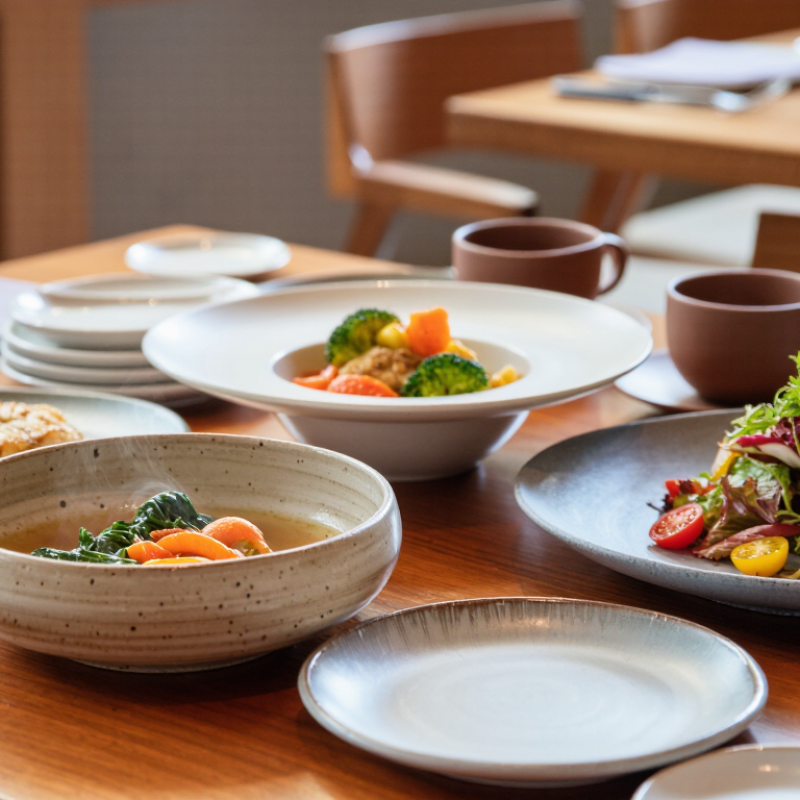
How to Choose Hospitality Stoneware Dinnerware?

Understanding the Role of Stoneware in Hospitality Dining

How to Choose Hospitality Stoneware Dinnerware?

Stoneware plays a practical role in hospitality dining. It gives plates a substantial feel without the weight of some porcelain ranges. In a busy restaurant, that balance affects table presentation, staff comfort, and replacement costs. A well-made piece should tolerate repeated washing, heated service, and careful stacking. It must work.

Start with the dining environment. A casual café may benefit from warm, slightly varied glaze colors. A hotel dining room may need consistent shapes across hundreds of settings. Check the plate’s rim strength, base stability, and resistance to thermal shock. Ask suppliers for documented food-contact compliance and durability test results for your market. These details support safer, more reliable purchasing decisions.

Tips: Test samples through several commercial dishwasher cycles. Stack them on your actual shelves. Fill a plate with hot food, then inspect handling comfort. Compare the glaze under dining-room lighting, not only in a showroom. Record chips and surface marks during a short trial. Small tests reveal expensive problems.

I have seen attractive stoneware fail because its foot rings trapped water or its bowls nested too tightly. That experience changed how I assess dinnerware. Appearance still matters, but operational evidence should lead. No choice is perfect. A heavier plate can feel premium, yet increase carrying strain. A thinner design may improve handling, but require closer durability checks. Consider the full service routine before approving a collection.

Assessing Durability, Strength, and Daily Performance

Choosing hospitality stoneware requires more than weighing a plate in your hand. Daily performance depends on chip resistance, glaze stability, thermal shock, and repeated washing.

Ask suppliers for laboratory results, not vague claims like “commercial strength.” ASTM C368/C368M measures ceramic modulus of rupture in MPa, helping compare bending strength between products. A higher result is useful, but it does not guarantee a chip-free rim. In practice, corners, cutlery impact, and hurried stacking often cause damage first. I would test sample plates with actual service cutlery and dish racks. That small trial may reveal weaknesses that a polished specification sheet hides.

Dishwasher performance matters just as much. EN 12875-1 evaluates resistance to repeated mechanical dishwashing, including visible changes after testing. Request the tested cycle count and inspection criteria.

The FDA Food Code 2022 requires food-contact surfaces to remain smooth, durable, nonabsorbent, and easily cleanable. A cracked glaze fails the spirit of that requirement, even when the plate still looks usable. Also review ISO 6486-1 test results for lead and cadmium release from ceramicware.

Handle heat carefully. Rapid movement from a hot oven to a cold service area can trigger thermal shock. Heavier stoneware can feel stronger, but weight alone proves little. Sometimes, the attractive option performs worse.

Choosing Suitable Shapes, Sizes, and Tableware Pieces

How to Choose Hospitality Stoneware Dinnerware?

Choosing Suitable Shapes, Sizes, and Tableware Pieces

Shape should follow the menu, service style, and table size. Round plates remain versatile, while coupe shapes create a modern, generous presentation. Rimmed plates help protect sauces during busy service. Rectangular pieces suit shared dishes, but they consume valuable table space. Measure the pass.

Size affects both appearance and operations. A 27-centimeter dinner plate may suit main courses, while a 20-centimeter plate works for starters or desserts. Oversized plates can look impressive, yet they may overload dishwashers and storage racks. The National Restaurant Association’s 2024 State of the Restaurant Industry Report projected U.S. restaurant sales above one trillion dollars. At that scale, small handling problems become expensive. Stackability matters.

Build a practical tableware mix. Include dinner plates, side plates, bowls, platters, cups, and serving pieces based on actual covers and menu rotation. A wide bowl can support noodles, grains, and composed salads, reducing unnecessary stock. However, one universal shape rarely performs perfectly. I would test pieces during a full service, not only on a showroom table. Record breakage, stacking height, heat retention, and staff comments. The FDA Food Code 2022 also emphasizes cleanable, durable food-contact equipment, making smooth glazed surfaces and intact rims sensible choices. A beautiful piece with fragile edges may still be the wrong purchase.

Comparing Glazes, Colors, Styles, and Brand Presentation

Choosing hospitality stoneware dinnerware starts with the glaze, because surface performance affects every service. A glossy glaze reflects light and makes sauces appear brighter. A matte glaze feels modern but may show cutlery marks more easily. Reactive glazes create visual movement, yet each piece may vary. That variation can feel authentic or look inconsistent. Request production samples before approving a full order.

Color should support the menu, dining room, and cleaning routine. White stoneware gives chefs a flexible background for colorful dishes. Warm neutrals create a relaxed, handcrafted impression. Dark colors can frame light foods beautifully, but they may reveal scratches and mineral deposits. Always inspect samples under restaurant lighting. Online images are not enough.

Style must match real handling conditions, not only the table setting. Wide rims improve presentation but consume storage space. Stackable shapes help busy kitchens move faster. Heavier plates feel substantial, though staff may experience more fatigue during long shifts. Test stacking, washing, reheating, and table clearance in a working environment. Looks can mislead.

Brand presentation also deserves careful comparison. A reliable supplier should provide clear specifications, glaze care guidance, replacement policies, and consistent product photography. Packaging should protect edges without creating unnecessary waste. Ask how color consistency is monitored across production batches. Some suppliers communicate beautifully but offer weak after-sales support. That matters. Record defects, delivery timing, and sample results before making a final purchasing decision.

How to Choose Hospitality Stoneware Dinnerware? - Comparing Glazes, Colors, Styles, and Brand Presentation

Decision Dimension Option / Feature Practical Characteristics Hospitality Advantages Potential Limitations Best Fit Evaluation Priority
Glaze Finish Glossy glaze Smooth, reflective surface with low surface roughness when properly fired. Usually easy to wipe and visually bright; supports a clean, polished table appearance. Can make fingerprints, water spots, utensil marks, or glare more noticeable. Full-service restaurants, hotels, banquets, and breakfast operations. High
Matte glaze Low-reflective finish with a soft, contemporary visual effect. Creates a refined, tactile presentation and can reduce visual glare under strong lighting. May show grease, scuffing, coffee or tea stains more readily; cleaning performance depends on the glaze formulation. Modern cafés, chef-led dining, boutique lodging, and design-focused venues. Medium
Reactive glaze Produces color movement, pooling, speckling, or tonal variation during firing. Each piece may have a slightly different appearance, giving the table a handcrafted character. Adds visual uniqueness and can reinforce an artisanal or locally inspired dining concept. Exact color consistency is difficult; replacement pieces may not match earlier production batches. Boutique restaurants, rustic concepts, tasting menus, and experiential dining. Medium
Textured or speckled glaze Surface includes visible specks, subtle texture, or decorative glaze variation. Adds depth and can visually disguise minor food or water marks better than very plain dark finishes. Creates a distinctive tabletop identity without requiring complex shapes or printed decoration. Texture must be checked for easy cleaning, stacking stability, and compatibility with service equipment. Casual dining, food halls, all-day dining, and contemporary hospitality spaces. Medium
Color Selection White or ivory Neutral base that provides strong contrast with most food colors. Supports consistent plating, photographs well, and allows operators to add color through food, linens, or centerpieces. Visible stains, discoloration, and chips may be easier to notice during inspection. Hotels, banquets, breakfast service, fine dining, and multi-concept operations. High
Light gray or stone Muted neutral tones that sit between bright white and darker earth colors. Creates a contemporary backdrop while remaining versatile across breakfast, lunch, and dinner menus. Balances modern presentation with practical flexibility; works well with natural materials. Color can vary under different lighting; replacement pieces should be checked against existing stock. Contemporary restaurants, resorts, cafés, and open-kitchen concepts. High
Dark charcoal or navy Deep colors that create high visual contrast with light foods and pale sauces. Provides a dramatic, premium-looking backdrop and can support a strong interior design concept. Can emphasize colorful dishes and create a memorable visual identity. May show mineral deposits, drying marks, scratches, or light-colored utensil abrasion more clearly. Steakhouses, cocktail-led venues, modern tasting rooms, and evening service. Medium
Earth tones Warm shades such as sand, terracotta, olive, brown, or muted green. Supports a natural, rustic, regional, or sustainability-oriented visual narrative. Coordinates easily with wood, stone, greenery, and seasonal menu styling. May limit flexibility if the menu, interior, or future concept changes significantly. Farm-to-table restaurants, lodges, cafés, and destination hospitality venues. Medium
Plate Style Rimmed plate Raised outer rim separates the food area from the edge of the plate. Helps contain sauces and provides a clear area for carrying and presentation. Uses more storage space than some coupe designs and may reduce the usable plating area. Traditional dining, banquets, room service, and sauce-based dishes. High
Coupe plate Flat profile with a gently curved surface and no pronounced rim. Offers a broad visual field and supports modern, minimalist plating. Useful for showcasing composed dishes and can create a clean, contemporary table setting. Less containment for liquid sauces; edge handling and stacking must be tested in service. Modern restaurants, sharing menus, tasting menus, and casual premium dining. High
Wide-rim presentation plate Large visible rim with a smaller central well for food. Creates generous negative space around the dish and emphasizes plating precision. Strong visual impact for signature dishes and photographed service. Requires careful portion control and can reduce usable capacity for large or family-style servings. Fine dining, chef’s tables, tasting menus, and special-occasion service. Medium
Stackable multi-purpose shape Standardized profile designed for repeated use across several menu categories. Prioritizes efficient storage, fast handling, and simple inventory management. Reduces the number of shapes required and can simplify replenishment and staff training. May provide less distinctive presentation than specialized plates. High-volume restaurants, catering, hotels, cafeterias, and food-service operations. High
Brand Presentation Consistent visual system Related shapes, colors, finishes, and proportions used across plates, bowls, and cups. Makes the table setting look intentional and strengthens recognition of the hospitality concept. A larger coordinated collection can increase the initial investment and inventory requirement. Operators seeking a unified dining room, banquet setup, or multi-outlet identity. High
Controlled variation A planned mix of complementary colors, rims, or glaze effects rather than random combinations. Adds personality while retaining enough consistency for a professional presentation. Useful for differentiating courses, outlets, or service occasions without changing the entire dinnerware system. Requires a clear color palette and purchasing controls to prevent an uncoordinated appearance. Lifestyle hotels, creative restaurants, cafés, and seasonal concepts. Medium
Minimal presentation Limited decoration, restrained color use, and simple silhouettes. Directs attention toward the food, service, and interior environment. Adaptable across menu changes and easier to combine with different linens and glassware. May appear less distinctive if the overall dining concept does not provide other strong visual cues. Business hotels, fine dining, corporate catering, and flexible restaurant concepts. High
Signature statement pieces Distinctive serving plates, bowls, or accent pieces used selectively. Creates a memorable focal point without requiring every item to be highly decorative. Helps highlight signature dishes, special events, or premium service tiers. Special shapes may stack less efficiently and can require separate storage and handling procedures. Tasting menus, celebrations, private dining, and promotional culinary events. Medium
Operational Checks Dishwasher compatibility Must be confirmed from the product specification and tested with the venue’s wash process. Helps control cleaning time, labor, and long-term surface performance. Actual results vary with detergent, water temperature, water hardness, racking, and handling. All commercial food-service operations. Critical
Stacking and storage Check stack height, stability, shelf clearance, and compatibility with plate racks or transport carts. Improves storage density and reduces handling risk during busy service periods. Decorative rims, irregular profiles, and some wide shapes may require more space. High-volume kitchens, banquets, catering, and compact back-of-house areas. Critical
Chip and scratch inspection Inspect rims, foot rings, glaze surfaces, and exposed edges after repeated service and washing. Supports guest safety, presentation standards, and timely removal of damaged pieces. Durability cannot be judged by appearance alone; sample testing under real operating conditions is recommended. Every professional dining operation, especially high-turnover service. Critical
Replacement consistency Confirm continuing availability, item codes, color references, and expected variation between production batches. Makes it easier to replenish breakage and maintain a consistent guest-facing presentation. Reactive colors and small-batch finishes may show natural differences between replacements. Hotels, chain-style operations, caterers, and venues with large inventories. Critical
Selection note: Before making a final purchase, test representative samples for food presentation, stacking, commercial washing, stain visibility, edge durability, and replacement availability under actual operating conditions.

Evaluating Safety, Maintenance, Cost, and Supplier Support

Choosing hospitality stoneware dinnerware requires more than matching a dining room’s color scheme. In a busy hotel kitchen, safety should come first. Check food-contact compliance, glaze stability, and resistance to thermal shock. A plate should move from a warm service line to a cool table without cracking. Inspect the rim and underside carefully. Small chips can hold residue and may injure staff or guests. Ask suppliers for test reports, material details, and traceable production information.

Maintenance affects daily labor. Choose surfaces that tolerate frequent commercial dishwashing, strong detergents, and repeated stacking. Dark stains around the rim often reveal poor glaze performance. Test sample pieces for several weeks before placing a large order. That sounds slow. It can prevent expensive replacement later. Still, no stoneware remains perfect forever. Dropped plates, overloaded racks, and rushed handling will create damage, even with good products.

Compare total cost, not only the purchase price. A cheaper plate may break more often, consume more storage space, or require manual polishing. Calculate replacement rates, delivery fees, and expected service life. Supplier support matters just as much. Confirm minimum order quantities, lead times, spare stock, packaging quality, and the process for reporting defects. Request physical samples and written specifications. I once underestimated delivery delays during a busy season. The lesson was uncomfortable: attractive pricing means little when essential plates arrive late. Reliable communication and practical after-sales support deserve a clear place in the purchasing decision.

How to Choose Hospitality Stoneware Dinnerware?

Evaluating safety, maintenance, cost efficiency, and supplier support on a practical 1–5 procurement scale.

The benchmark favors fully vitrified stoneware because its low porosity, durable fired body, dishwasher compatibility, and suitability for repeated commercial use can reduce operational risk. Actual performance depends on product specifications, local food-contact regulations, handling practices, and supplier service levels.

FAQS

Why is stoneware useful in hospitality dining?

It feels substantial without excessive weight. This supports attractive tables and easier handling during busy service.

What should buyers inspect before choosing stoneware?

Check rim strength, base stability, glaze condition, and thermal-shock resistance. Small defects can become costly later.

How can a restaurant test stoneware before purchasing?

Run samples through several commercial dishwasher cycles. Stack them on actual shelves and serve hot food.

Why do laboratory strength results matter?

Ceramic strength results help compare products more objectively. However, stronger test numbers do not guarantee chip-free rims.

What commonly damages stoneware during daily service?

Cutlery impacts, hurried stacking, tight nesting, and rack contact can cause chips. Real service often exposes hidden weaknesses.

How important is dishwasher performance?

Very important. Repeated washing may reveal glaze changes, trapped water, cracks, or surface wear.

What should suppliers provide about food-contact safety?

Request documented compliance and test results for the intended market. Review evidence for smooth, durable, nonabsorbent surfaces.

How should restaurants choose plate shapes and sizes?

Match them with the menu, service style, and table dimensions. A 27-centimeter plate may suit mains, while a 20-centimeter plate suits starters.

Why does stackability affect purchasing decisions?

Poorly nesting plates consume storage space and slow dishwashing work. Measure shelves and racks before approval.

Can one stoneware shape serve every menu item?

Usually not perfectly. A mixed collection may work better, including plates, bowls, platters, cups, and serving pieces.

Does heavier stoneware always perform better?

No. Heavy pieces may feel premium but increase carrying strain. Lighter designs need closer durability checks.

What practical details should staff evaluate?

Record heat comfort, breakage, stacking height, surface marks, and handling comments. Staff experience may challenge the original choice.

Conclusion

Choosing the right Hospitality Stoneware Dinnerware requires more than selecting an attractive design. In busy dining environments, each piece should withstand frequent handling, stacking, washing, and temperature changes without easily chipping or losing its performance. Consider the balance between durability, weight, heat retention, and everyday practicality. Plates, bowls, cups, and serving pieces should be available in suitable shapes and sizes to support the menu, table layout, portion presentation, and service style.

Appearance also plays an important role in creating a consistent dining experience. Glaze finishes, colors, and surface textures should complement the setting while presenting food clearly and maintaining a professional image. Before making a decision, evaluate food-contact safety, cleaning requirements, stain resistance, storage needs, replacement costs, and long-term value. A dependable supplier should offer consistent quality, clear product information, reliable availability, and responsive support. By reviewing these factors together, hospitality operators can choose stoneware that performs well, looks appropriate, and supports efficient daily service.


Aveline

Aveline

Aveline is a highly skilled marketing professional dedicated to helping businesses understand products, markets, and evolving customer needs. With a strong background in strategic communication, content development, and digital marketing, Aveline brings clarity, insight, and practical value to......