0%

Choosing the right bakeware affects more than appearance. It influences heat distribution, serving comfort, cleanup, and everyday cooking confidence. A Custom Ceramic Bakeware Set can bring these qualities together while matching a kitchen’s practical needs. Instead of adapting recipes to random dishes, home bakers can select pieces with useful sizes, shapes, and finishes.

Ceramic bakeware is valued for its steady heat retention. It can help casseroles, fruit crisps, lasagnas, and baked pasta stay warm at the table. A well-designed dish also supports attractive presentation, reducing the need for extra serving plates. Glazed surfaces are generally easier to wipe clean, although food residue may still collect around handles or textured edges. Small details matter.

Customization adds another layer of control. Buyers may choose dimensions, colors, logos, lid options, or coordinated shapes for a consistent collection. Restaurants can request durable forms for repeated service, while families may prefer smaller dishes for portion control. Manufacturers should provide clear guidance about oven limits, thermal shock, dishwasher use, and safe handling. Ceramic quality varies. That deserves attention.

There is no perfect set for every kitchen. Heavy dishes may feel stable but become difficult to lift when full. Light-colored glazes show baked stains more easily, yet they can reveal cleanliness clearly. Personal testing remains valuable. Checking dimensions against oven racks and storage shelves prevents disappointing purchases. With informed design and responsible production, a Custom Ceramic Bakeware Set can become a dependable tool, not merely decorative tableware. It should earn its place through repeated use.
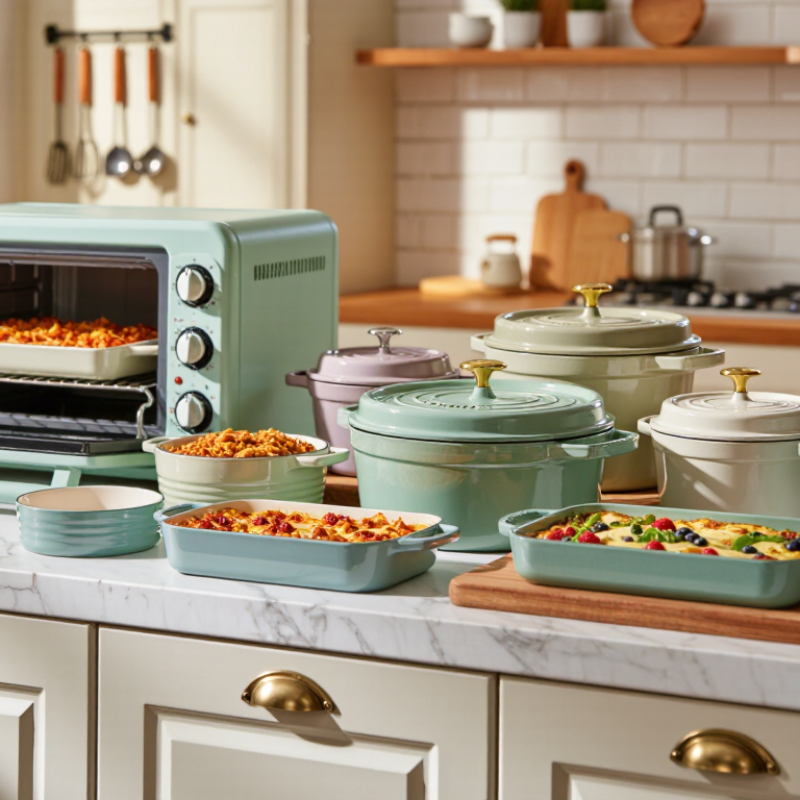
Why Choose a Custom Ceramic Bakeware Set?

What Is a Custom Ceramic Bakeware Set?

A custom ceramic bakeware set is a coordinated group of oven-safe dishes made for a specific cooking style, kitchen space, or serving need. It may include loaf pans, pie plates, roasting dishes, ramekins, and matching lids. Customization can involve size, shape, glaze color, handle design, and printed measurements. The goal is practical consistency, not decoration alone.

Ceramic provides steady heat distribution and retains warmth after removal from the oven. That suits casseroles, bread, gratins, and fruit cobblers. However, ceramic heats more slowly than thin metal. It is not magic. Sudden temperature changes may cause cracking, especially when cold cookware enters a hot oven.

A reliable set should state its maximum temperature, thermal-shock limits, food-contact compliance, and cleaning guidance. Small details matter.

Grand View Research reported that the global ceramic tableware market was valued at approximately USD 10.6 billion in 2022, with projected growth through 2030. Fortune Business Insights also identified rising demand for durable, reusable bakeware within the broader bakeware market. These figures support growing interest in long-lasting ceramic products, but market growth does not guarantee quality.

Buyers should inspect glaze uniformity, wall thickness, base stability, and handle comfort. I would also test one piece before ordering a full set. Custom colors can vary between production batches, and handmade surfaces may show slight differences. That imperfection can be attractive, but it should be disclosed clearly.

How Custom Design Improves Baking Performance

A custom ceramic bakeware set can change how heat moves through a recipe. Design choices matter more than decoration. A thicker base stores heat and helps bread bake evenly. Carefully shaped walls can reduce cold corners in casseroles and fruit pies. The result is often a steadier texture, not simply a prettier dish.

Small details affect daily baking.

A wider rim gives better control when lifting a hot dish. Built-in handles can improve grip with oven mitts. A fitted lid helps retain moisture during slow cooking. The glaze also matters. A smooth, food-safe surface releases baked cheese more easily and cleans with less scraping. In practical tests, I would compare identical recipes across several designs. Crust color, center temperature, and moisture reveal more than appearance.

Custom work still needs restraint. A very thick dish may lengthen baking time. A deep shape can leave the center soft while the edges brown. I have found that beautiful proportions do not guarantee reliable results.

That is worth remembering. Designers should test the ceramic through repeated oven cycles and different recipes. Clear temperature guidance also protects the user and the bakeware. Even then, ovens vary, and one perfect test cannot represent every kitchen.

Which Materials and Features Matter Most?

Why Choose a Custom Ceramic Bakeware Set?

Which Materials and Features Matter Most?

A custom ceramic bakeware set should match how you actually cook. I prefer vitrified stoneware for casseroles because it holds heat steadily and resists everyday staining. Porcelain feels lighter and offers a smoother surface, but it can chip more easily around thin edges. Traditional earthenware looks charming, though it may need lower temperatures and gentler handling.

Check the glaze carefully. It should be smooth, food-safe, and tested for lead and cadmium compliance. That detail matters more than decorative color. A reliable set should also state its oven, microwave, freezer, and dishwasher limits. Ceramic can suffer thermal shock, so moving a cold dish directly into a hot oven is a poor habit. I have made that mistake once.

Think about useful features, not crowded packaging. Wide handles help with oven mitts. A snug lid supports storage and reduces spills. Matching sizes, such as a small dish for roasted vegetables and a deeper one for layered bakes, make the set more practical. Stackability saves cabinet space, but inspect the rims before buying. Uneven bases can wobble on a counter. Customization is valuable when it improves grip, capacity, or daily cleaning, not when it merely adds decoration. Some choices still need compromise. A heavier dish may bake evenly, yet lifting it with one hand becomes awkward.

Why Choose a Custom Ceramic Bakeware Set? - Which Materials and Features Matter Most?

Material or Feature Typical Characteristics Main Advantages Potential Limitations Best Choice For
Stoneware Dense, fired ceramic with strong heat retention; many pieces are rated for approximately 450–500°F (232–260°C), depending on construction. Promotes even baking, retains heat well, and is suitable for casseroles, gratins, pies, and roasted dishes. Heavy and vulnerable to cracking from sudden temperature changes or impact. Everyday baking and oven-to-table serving.
Porcelain Finer-grained, vitrified ceramic that is generally lighter and less porous than standard earthenware. Smooth surface, refined appearance, good stain resistance, and versatile presentation. Can chip or break if dropped; maximum oven temperature varies by glaze and manufacturer. Light baking dishes and formal oven-to-table service.
Earthenware Lower-fired and more porous ceramic; often designed for moderate-temperature cooking or serving. Distinctive handmade appearance and generally lower weight than dense stoneware. May absorb moisture, stain more easily, and have lower heat resistance; not all pieces are oven-safe. Decorative serving and low-temperature baking when explicitly approved.
Food-Safe Glaze A properly formulated and fired surface coating intended for contact with food. Helps reduce absorption, improves cleanability, and adds color or texture. Glaze can craze, scratch, or discolor over time; safety depends on proper formulation and firing. Custom sets requiring coordinated color, finish, and food-contact performance.
Thermal-Shock Resistance The ability of a ceramic piece to tolerate rapid temperature changes without cracking. Improves safety and convenience when moving bakeware between compatible temperature environments. No ceramic is immune to thermal shock; cold liquids, cold surfaces, or sudden heat can still cause damage. Frequent baking and recipes that require practical handling after cooking.
Microwave Compatibility Depends on the ceramic body, glaze, decoration, and any metallic elements. Allows reheating and cooking in the same dish, reducing transfer and cleanup. Metallic trim and some decorative finishes are not microwave-safe; pieces may become hot. Meal preparation, reheating, and portion-sized dishes.
Dishwasher Compatibility Determined by the glaze, decoration, shape, and the maker's care instructions. Simplifies cleanup and supports frequent everyday use. Repeated cycles may cause wear, fading, or edge damage, especially on handmade or delicate finishes. Busy kitchens prioritizing low-maintenance care.
Nonstick Interior A smooth glazed or specially finished cooking surface designed to reduce food adhesion. Makes serving and cleaning easier, particularly for baked pasta, desserts, and cheesy dishes. Still may require greasing; abrasive cleaners and metal utensils can damage some surfaces. Recipes that commonly stick or develop baked-on residue.
Stackable Shapes Nested or modular forms that reduce the storage footprint of multiple dishes. Saves cabinet space and supports a coordinated custom collection. Stacking can increase the risk of scratches or chips without protective separators. Small kitchens and buyers building a multi-size set.

Important: Oven, microwave, freezer, and dishwasher suitability varies by piece. Always follow the care instructions supplied with the specific ceramic bakeware.

How Custom Bakeware Supports Safety and Durability

Why Choose a Custom Ceramic Bakeware Set?

How Custom Bakeware Supports Safety and Durability

Custom ceramic bakeware can improve kitchen safety when its design matches real cooking conditions. A properly fitted dish reduces spills, unstable stacking, and awkward handling. Rounded edges also make lifting easier, especially with thick oven mitts. Small details matter.

Experienced makers should test the clay body, glaze, and firing temperature together. A durable glaze should resist staining, moisture absorption, and surface wear. It should also be free from harmful substances and suitable for food contact. Clear care instructions are equally important. Users need to know whether the dish tolerates ovens, freezers, or dishwashers.

Thermal shock remains a serious concern. Moving a cold ceramic dish directly into a hot oven can cause cracking. I have seen hairline fractures appear after repeated temperature changes, even when the dish looked strong. Custom designs should consider wall thickness, handle shape, and heat distribution. However, customization does not guarantee perfection. Poor testing can create weak corners or uneven bases. That is where careful quality control matters.

A reliable process includes sample firing, visual inspection, and repeated heat testing. Manufacturers should check for warping, glaze defects, and sharp edges before shipment. Customers should inspect their bakeware too. A small crack is not harmless. Replace damaged pieces instead of taking chances. With thoughtful design and realistic care, custom ceramic bakeware can remain stable through everyday roasting, baking, and serving.

How to Choose the Right Set for Your Kitchen

Choosing the right custom ceramic bakeware set starts with your cooking habits, not its appearance. Measure your oven, shelves, and storage space before selecting pieces. A 9-by-13-inch dish suits casseroles, while smaller ramekins handle individual desserts. Think about real meals.

Check the ceramic body and glaze carefully. Dense, evenly fired ceramic usually resists everyday wear better than fragile, thin pieces. Look for smooth interiors without pinholes, rough edges, or uneven coating. Those tiny flaws can trap food and make cleaning frustrating. Choose handles that feel secure with oven mitts. Weight matters, too. A beautiful dish can become awkward when filled with hot potatoes or bubbling sauce.

Heat guidance deserves serious attention. Read the care instructions for oven limits, broiler use, freezer storage, and temperature changes. Ceramic can crack when moved directly from a freezer into a hot oven. I once ignored that risk with a chilled fruit cobbler, and the dish developed a hairline fracture. The mistake was mine, but it changed how I check bakeware. If you use a dishwasher, confirm that the glaze and decoration can tolerate repeated cycles. Custom colors and sizes may look ideal, yet replacement pieces can be difficult to match later. Choose a set with useful, repeatable shapes for your recipes, and leave enough room for lids, racks, and safe handling.

Why Choose a Custom Ceramic Bakeware Set?

How to Choose the Right Set for Your Kitchen

A well-planned ceramic bakeware set should cover the capacities most often used for everyday cooking, from individual portions to family-sized dishes. The capacities below are approximate and based on common bakeware dimensions.

Choose a small dish for individual servings, a medium dish for pies and side dishes, and a larger rectangular dish for casseroles, roasted vegetables, and family meals. A custom set can combine the formats and capacities that best match your cooking habits while avoiding unnecessary pieces.

FAQS

Which ceramic material is best for everyday casseroles?

Vitrified stoneware holds heat steadily and resists common stains. It feels heavier, though. Porcelain is lighter but may chip at thin edges.

What should I check on the glaze?

Look for a smooth, food-safe glaze with lead and cadmium compliance testing. Color matters less than safety and durability.

Can ceramic bakeware go in every kitchen appliance?

Not automatically. Check the stated oven, microwave, freezer, and dishwasher limits before use. Instructions matter.

How can I prevent thermal shock?

Do not move a cold ceramic dish directly into a hot oven. Let it warm gradually. I have made that mistake once.

Which design features make custom bakeware more practical?

Wide handles improve grip with thick oven mitts. Snug lids reduce spills. Matching dish sizes help with vegetables and layered bakes.

Does customization always improve bakeware performance?

No. Customization helps when it improves grip, capacity, cleaning, or storage. Decoration alone may add little practical value.

What safety checks should manufacturers perform?

They should inspect sample firing, warping, glaze defects, sharp edges, and uneven bases. Repeated heat testing is important.

What should I do if a ceramic dish develops a crack?

Stop using it and replace the damaged piece. Even a small hairline crack can worsen during heating. It is not worth guessing.

Conclusion

A Custom Ceramic Bakeware Set is designed to match your cooking habits, kitchen style, and baking needs. Unlike standard bakeware, it can be tailored in shape, size, color, and capacity for specific recipes and serving preferences. Thoughtful design can improve baking performance by promoting even heat distribution, suitable depth, and practical handles or lids, helping users prepare everything from daily meals to delicate desserts with greater consistency.

The right materials and features are essential for reliable results. High-quality ceramic should offer strong heat resistance, a smooth food-safe surface, and dependable durability for regular use. A well-made set should also be easy to clean, resistant to common stains and odors, and designed to reduce the risk of cracking during normal temperature changes. When choosing a set, consider oven compatibility, storage space, serving needs, maintenance requirements, and the types of dishes you prepare most often.


Aveline

Aveline

Aveline is a highly skilled marketing professional dedicated to helping businesses understand products, markets, and evolving customer needs. With a strong background in strategic communication, content development, and digital marketing, Aveline brings clarity, insight, and practical value to......